French Bulldog Separation Anxiety: Signs, Causes & Fixes
You come home to a chewed door frame, a puddle by the front door, and a neighbor’s note about the howling. Your Frenchie greets you like you have been gone a year, tail going, whole body wiggling, and all you feel is guilt. That guilt drives almost every search for french bulldog separation anxiety, and this article exists to replace it with a plan.
Not every shredded cushion is anxiety. Some destruction is boredom. Some is a young dog that was never taught what to do alone. The fixes differ, and guessing wrong costs weeks while your dog keeps practicing panic. This guide separates true separation anxiety from its look-alikes, lays out what the evidence says works, and names the point where this stops being a training project and becomes a vet visit. The parent guide for everything training-related here is the French Bulldog Training Guide. What follows is the deep dive on one question: is your Frenchie suffering, or just busy?
What Separation Anxiety Actually Is
Separation anxiety is a distress and panic response triggered by separation from the dog’s guardians, the people the dog is attached to. That is the ASPCA’s definition. Note what it leaves out: no revenge, no spite, no dominance. VCA Hospitals describes dogs that are overly attached or dependent on family members and become extremely anxious when separated, showing distress through vocalization, destruction, or house soiling. The Nebraska Humane Society puts it even more plainly: a phobia of being alone, apart from humans.
The most important reframe in this topic comes from the ASPCA: anxious behaviors are not the result of disobedience or spite. They are distress responses. The chewed door frame is not payback for leaving. It is a panic attack with teeth.
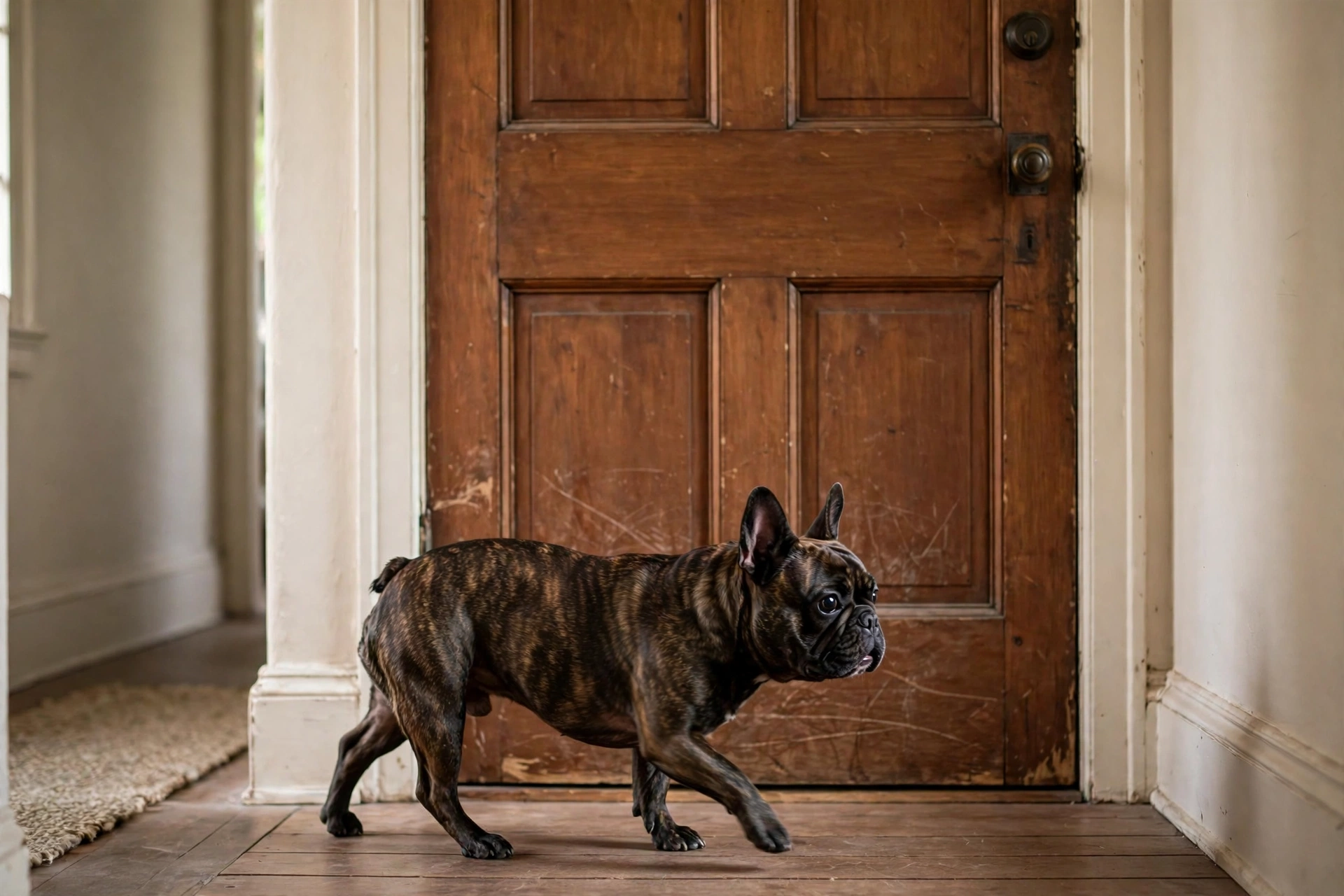
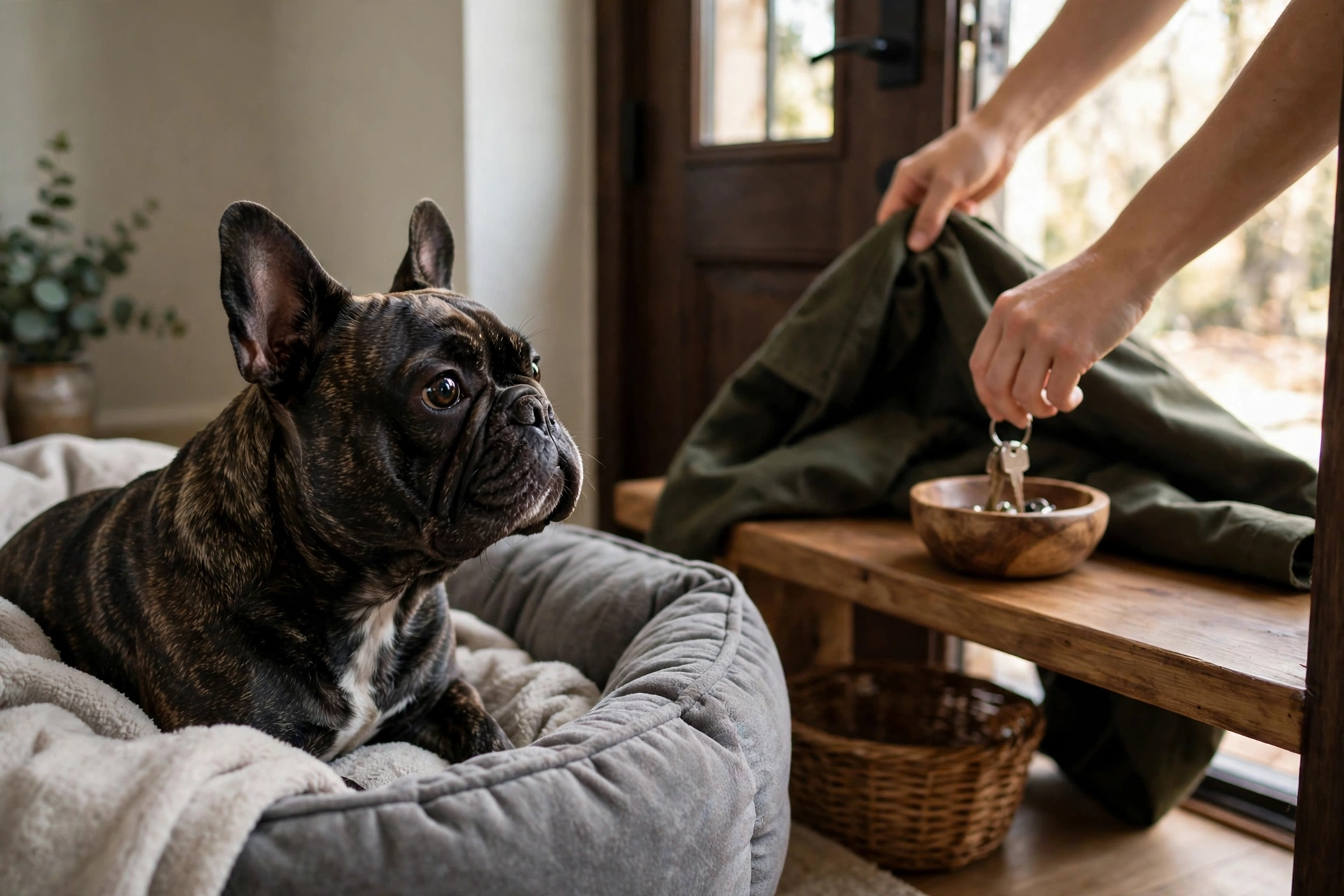
The timing clue is what separates anxiety from mischief. The behaviors happen only in your absence, and they usually start within minutes of your departure. Many dogs show predeparture anxiety too, unraveling the moment you pick up your keys, put on shoes, or reach for a coat. On your return, the greeting is over the top, as though it has been years rather than hours. You will know the sound: nails clicking a frantic path across the hardwood, then a whine that climbs until it breaks into a howl.
Quick Tip: Film first, fix second. A phone video of your dog alone for ten minutes tells you more than a week of guessing from the wreckage.
French Bulldog Separation Anxiety Signs
Check this list against what you actually see, not what you fear. Every one of these happens only when the dog is alone or separated from its people.
- House soiling indoors, only when left alone. Accidents in your presence point elsewhere. The ASPCA is explicit on this.
- Persistent barking or howling triggered by nothing except being left alone. Your neighbors will report this one before you believe it.
- Chewing, digging, and destruction aimed at exit points: doors, door frames, window sills, doorways. The signature pattern, and it can injure the dog: broken teeth, cut paws, damaged nails.
- Escape attempts, digging or chewing through doors or windows, that never happen when you are home.
- Pacing in fixed patterns, circles or back-and-forth lines, while alone.
- Coprophagia, eating stool, when left alone.
- Restlessness, shaking, drooling, refusing food, or going quiet and withdrawn around departures. VCA lists these as the subtler end of the spectrum, easy to miss in a breed that snorts and pants anyway.
- Predeparture anxiety: unraveling at the cues, keys jingling, shoes, coat, bag over the shoulder.
- Over-the-top greetings on return, the full-body celebration that looks like relief and is.
One sign carries special weight: a dog that will not eat even high-value food when alone is beyond mild. The ASPCA notes that counterconditioning with stuffed food toys only works for mild cases, because highly anxious dogs usually will not eat without their guardians home. If your Frenchie ignores a frozen Kong the second you leave, that is vet-or-professional territory, not a DIY timeline.
The video test is the best diagnostic step an owner can take at home. VCA puts it this way: the best way to determine whether the behaviors come from the anxiety of your departure is to record what the dog does when alone. Set a phone or cheap camera where it sees the room, leave for ten or fifteen minutes, and watch it back. Panic that starts within minutes of the door closing, destruction aimed at the exits, a dog that cannot settle, those point one way. A dog that naps for an hour, then gets bored and redecorates, points another. The ASPCA and veterinary behaviorists give the same advice, and the ASPCA’s full page on separation anxiety is worth a bookmark before you spend money on anything else.
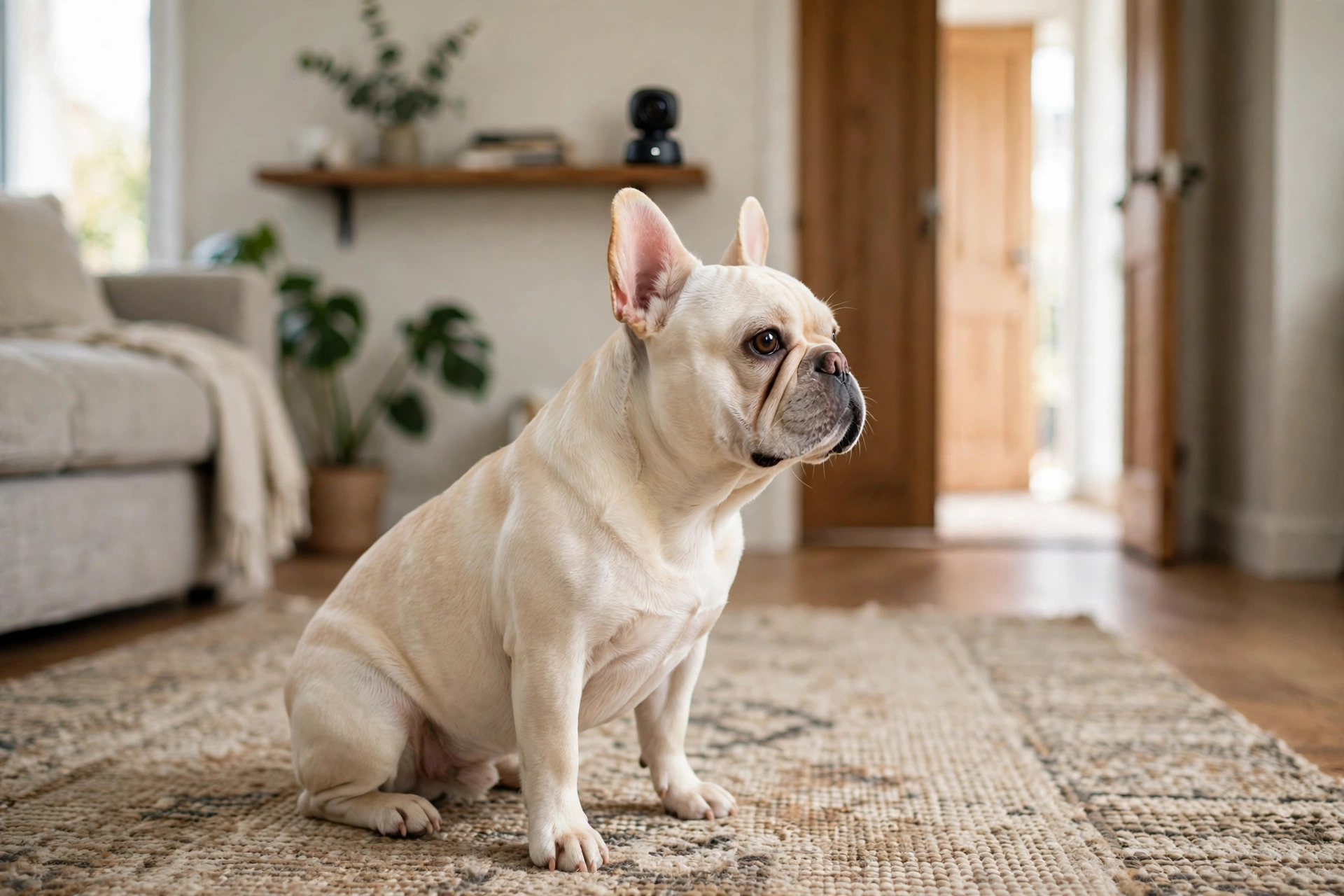
Quick Tip: Watch the footage with the sound on. A Frenchie snoring peacefully in an empty room is a diagnosis of boredom, not anxiety, and it is oddly reassuring to hear.
Is It Really Separation Anxiety? Three Look-Alikes
Three common situations get mistaken for separation anxiety, and each needs a different fix.
1. Boredom and under-stimulation. A bored dog destroys things too, but the pattern gives it away. The ASPCA’s rule-out list is direct: these dogs are disruptive when left alone because they are bored, and they usually do not appear anxious. Destruction also happens while you are home. A young dog chewing the rug at 2 p.m. with you on the couch needs more exercise and enrichment, not a clinical protocol.
- Do: Compare the behavior home versus away. Anxiety is absent-only. Boredom is everywhere.
- Don’t: Start a desensitization program for a dog that mostly needs a longer walk and a puzzle toy.
2. Velcro attachment. Being shadowed room to room is attachment, not a diagnosis, and it is normal companion-breed behavior. The full story on why Frenchies follow is coming in a dedicated guide.
3. Confinement anxiety, barrier frustration, noise phobia, and medical problems. Some dogs are not afraid of being alone. They are afraid of the crate. Veterinary behaviorist Dr. Meredith Stepita reports that most of her separation anxiety patients do not improve when crated, and many have concurrent confinement anxiety, injuring themselves trying to escape. Film the dog outside the crate. Barrier frustration looks similar, barking and destruction at a gate or door, but the dog is calm once you are fully out of sight and hearing, and it is usually fixed by changing the setup. Noise and storm phobia can overlap too. VCA notes that a frightening event while alone can make a dog afraid to be home alone, and dogs with both problems need treatment for both.
Medical issues mimic anxiety as well. Before any behavior plan, a vet should rule out the ASPCA’s list, urinary infection, bladder stones, diabetes, kidney disease, Cushing’s, neurological problems, plus pain, urinary urgency, and cognitive decline in seniors. The closing rule for this section is simple: a sudden change in behavior, especially in an older dog, means a vet exam first, not a training plan.
Why Separation Anxiety Happens
The honest answer first: the ASPCA states there is no conclusive evidence showing exactly why dogs develop separation anxiety. Anyone selling a single cause is guessing.
What the sources do agree on is a list of associated trigger situations. The ASPCA names a change of guardian or family, through abandonment, shelter surrender, or rehoming; a change in schedule, the classic case being an owner who returns to the office after months of working from home; a change in residence; and a change in household membership, a death or a family member moving away. The Nebraska Humane Society adds risk factors familiar to rescue owners: rehoming, moving, never having been alone before, the death or arrival of a family member, human or animal, a traumatic event like airline cargo shipping or a natural disaster, and puppyhood experiences including illness, being a singleton, or leaving the litter too young.
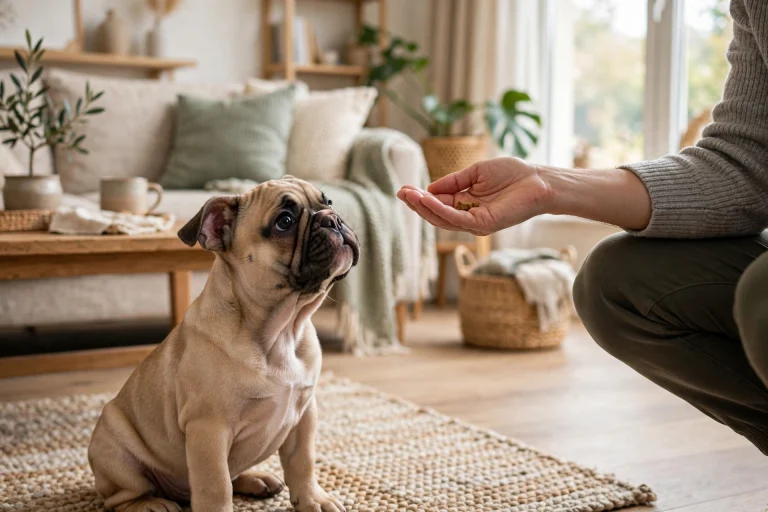
Two threads run through the research that owners can actually act on. A 2025 review concludes the picture is multifactorial: frustration, social distress, boredom, and heightened anxiety shaped by genetics, development, environment, and the caregiver, with factors like prolonged solitude, constant proximity with no separation breaks, separation from the mother before eight weeks, shelter history, and moving home. And VCA flags the preventable end: puppies that never learn scheduled alone time are more vulnerable, which is why alone-time building starts in puppyhood. If your dog is young and simply never learned to be alone, that foundation work lives in the puppy training schedule. What follows here is the protocol for the harder end of the scale.
Quick Tip: Look backward before you look forward. Most adult cases trace to one of the trigger events above, and knowing which one tells you what your dog lost.
The French Bulldog Angle
Frenchies were bred in 19th-century Paris to be companions, selected generation after generation for staying close to people. That history shows up in the best breed-specific data available, a 2026 pilot study of 206 French Bulldogs in Italy using the validated C-BARQ behavior questionnaire, published in the MDPI journal Pets. Attachment and attention-seeking behaviors scored very high, a mean of 3.54 out of 5, while separation-related behaviors in the sample were mild, a mean of 1.54. The authors note that high attachment may predispose dogs to frustration or stress in social isolation, even though the separation behaviors they measured stayed mild.
Read that twice, because it cuts against blog claims in both directions. No French Bulldog-specific prevalence rate exists, and no VetCompass or RVC data on it was found. One seller blog calls Frenchies prone to it, another calls them a low-anxiety breed, and neither is a study. The honest position: a high-attachment breed with no proven higher rate of clinical separation anxiety, and that high attachment is exactly why alone-time training matters for them.
Two breed-practical notes. First, any exercise-before-departure advice has to be heat-safe for a brachycephalic dog. Our heat stroke guide covers the warning signs, and the short version is that a flat-faced breed does its activity in the cool of the morning or not at all on warm days. Second, heavy panting from anxiety deserves a watchful eye in a Frenchie, but that is a line for your vet.
- What the study found: very high attachment scores, mild separation-related behaviors in the sample.
- What it did not find: a breed prevalence rate, or proof that attachment causes clinical anxiety.
- What that means for you: train alone time deliberately, because a dog bred to shadow people does not learn it by accident.
French Bulldog Separation Anxiety: Fixes That Actually Work
The evidence-based core is graduated desensitization paired with counterconditioning, DS/CC. Desensitization means alone time in tiny, tolerable doses. Counterconditioning changes the emotional association, so your departure predicts good things instead of panic. The ASPCA warns both are complex and can backfire if fear is triggered mid-process, which is why moderate to severe cases need a professional. Severity first:
| Level | What it looks like | The evidence-based approach |
|---|---|---|
| Mild | Some distress, still eats food toys when alone | Counterconditioning and management, owner-led |
| Moderate to severe | Will not eat alone, panic, escape attempts, self-injury | Formal DS/CC program with a qualified professional, vet involved |
Step 1: Build the foundation while you are home. A predictable daily routine lowers baseline stress. Teach a settle or mat behavior and reward calm independence while you are in the house. VCA’s logic: until your dog can settle with you home, it will not settle when you leave. Reward the dog for choosing the mat and lying quietly while you read. If your Frenchie checks out the moment a drill repeats, the approach in our guide to training a stubborn French Bulldog applies: shorter, better-rewarded, ended on a win.
Step 2: Desensitize the departure cues. Pick up your keys, put on your shoes, lift your coat, then sit back down. Repeat the cues many times a day without leaving until the dog stops reacting. The ASPCA stresses the volume: the fake cues must happen many, many times a day for many weeks. You are draining the meaning out of the jingle and the shoe.
Step 3: Graduated absences, slow and random. This is the ASPCA’s protocol, and it starts absurdly small. Absences of one to two seconds. At five to ten seconds, add counterconditioning: a stuffed food toy becomes the safety cue that predicts alone time. Wait a few minutes between reps and only leave again once the dog is fully relaxed. Departures and returns stay calm and quiet. Watch for stress signals, dilated pupils, panting, yawning, drooling, trembling, pacing, frantic greetings. If any appear, drop back to a tolerated duration and slow down. Build toward forty minutes over weeks, in increments of seconds per session, since most anxious responses fire inside the first forty minutes. Then increase by five-minute, later fifteen-minute, steps. Once a dog tolerates ninety minutes, it can usually handle four to eight hours. There are no standard timelines. Anyone promising a week count is selling something.
Step 4: Management during retraining is non-negotiable. While the program takes hold, never leave your dog alone longer than it can currently handle. The ASPCA’s reasoning: during desensitization, the dog must never experience the full-blown version of its trigger, or the training backfires. Cover every absence beyond the dog’s current limit: a sitter, a friend, a family member, doggy daycare, the dog at work with you, time off. This is the step owners skip, and skipping it is why programs fail.
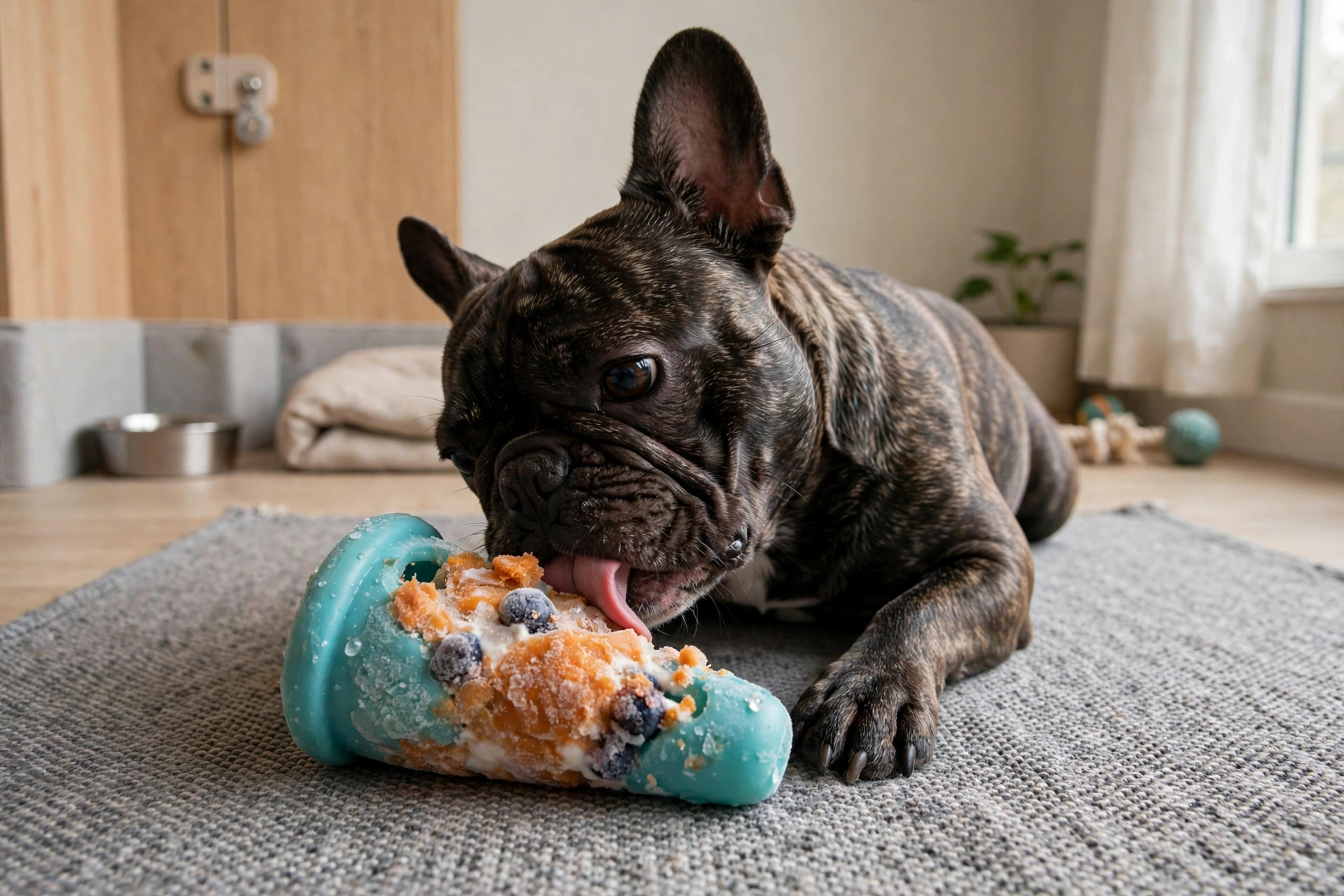
Step 5: Enrichment at every departure. Give the dog a job for alone time. A puzzle toy stuffed with food that takes twenty to thirty minutes, a frozen Kong with xylitol-free peanut butter, cream cheese, banana, or cottage cheese. Chewing and licking have a calming effect on dogs, which is why the stuffed toy pulls double duty. Remove the special toys when you return, so they predict alone time and nothing else. Scatter-feeding, hiding kibble around the room for the dog to hunt, works the same way. Exercise before long departures helps too, at least thirty minutes of aerobic activity daily per the ASPCA, scheduled heat-safe for a Frenchie: cool mornings, water available, stop at heavy panting.
Step 6: Calm departures, calm returns, zero punishment. VCA’s framework: ignore the dog for the final fifteen to thirty minutes before leaving, no goodbye speech, and stay boring on arrival until the dog settles, ten to fifteen minutes. Then greet warmly. On punishment, every source agrees. The ASPCA says do not scold or punish, because the dog may become even more upset and the problem gets worse. The Nebraska Humane Society adds that aversive tools, shock or citronella bark collars, will not help and will likely make the dog more fearful.
- Do: End every absence before your dog panics, even if that means thirty seconds today.
- Don’t: Punish destruction, use aversive collars, or “test” the dog with a long absence to see if it is cured.
Quick Tip: Keep a simple log, date, duration, what you saw on camera. Progress in desensitization is invisible day to day and obvious month to month, and the log is what keeps you honest.
If your dog is a puppy that never learned alone time, the basic seconds-to-minutes building is in the puppy training schedule, and new-puppy owners should read the Owner’s Guide. This section is the clinical-level protocol for dogs already in distress.
The Crate Question
Here is one of the highest-value corrections in this article: a crate is not an automatic fix for separation anxiety, and for many dogs it is the wrong tool. The AVSAB evidence says most of these patients do not improve when crated, with many injuring themselves, broken teeth, cut skin and mouths, trying to escape. Her advice, and the ASPCA’s, is to videotape the dog home alone outside the crate before deciding anything about confinement. You can read her full breakdown in the AVSAB article on separation anxiety, the great imitator.
The ASPCA’s crate rule is conditional: a crate helps only if the dog already treats it as a safe place. Heavy panting, excessive drooling, frantic escape attempts, or persistent howling in the crate mean the crate is the wrong option; a dog-proofed room with a baby gate is the better setup. VCA agrees, warning that crates can provoke intense escape attempts and serious injuries in these dogs.
That does not mean crates are banned. It means the order of operations matters. Build the positive crate association first, using our crate training guide for the method, and only use the crate for absences if the dog is genuinely relaxed in it. A panicking dog should never simply be shut in a crate and left.
- Do: Test the dog on video outside the crate, and use a baby-gated room if confinement spikes the panic.
- Don’t: Crate a distressed dog “until it gets used to it.” Flooding a panicking animal is how injuries happen.
Should I Get a Second Dog?
No. Not as a treatment plan. VCA addresses this directly: on rare occasions a second pet can keep the dog occupied during departures, but neither food nor a second pet is likely to help a dog that is too anxious. The attachment driving separation anxiety is to a person, not to company in general. A second dog doubles your costs and training load while the original panic continues on schedule. Get a second dog because you want one, never as a prescription for the first dog’s distress.
Quick Tip: If someone suggests a second dog for anxiety, ask whether they would prescribe a roommate for a human panic disorder. Same logic.
When to Call the Vet or a Behaviour Professional
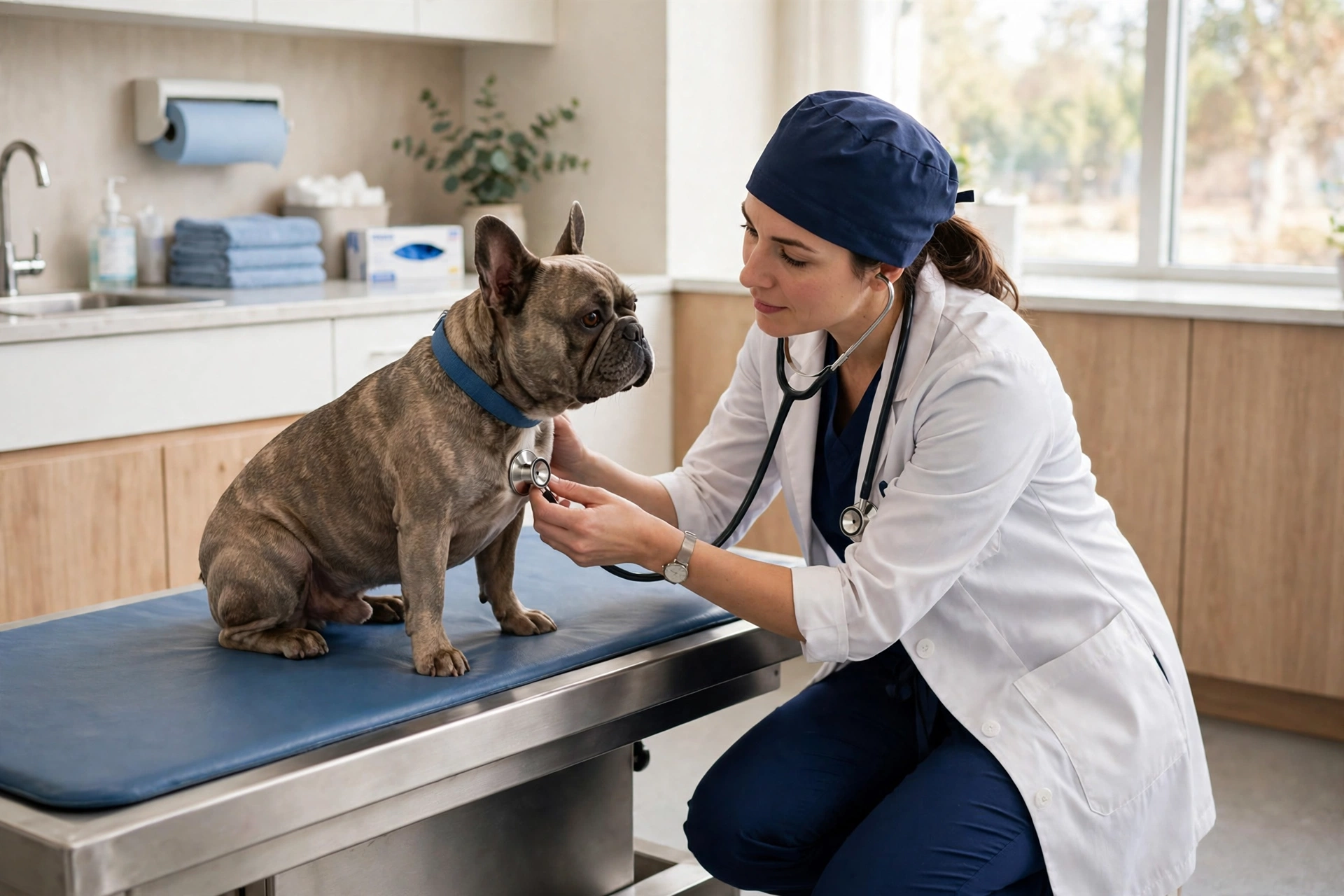
Some lines in this topic are bright. Self-injury. Escape attempts that cause injury. A dog that will not eat when alone. Distress that does not improve with the basic steps. Any sudden behavior change, especially in a senior dog. Those mean professional eyes now, not a longer blog timeline.
The vet comes first to rule out the medical list: urinary infection, bladder stones, diabetes, kidney disease, Cushing’s, neurological problems, pain, urinary urgency, cognitive decline. Sudden onset gets a vet exam before any behavior plan.
For moderate to severe cases, the ASPCA is clear that desensitization and counterconditioning need a trained and experienced professional. Three categories exist: a Certified Applied Animal Behaviorist (CAAB or ACAAB), a board-certified veterinary behaviorist (DACVB), or a Certified Professional Dog Trainer (CPDT) with specific education and experience in fear and DS/CC, since that expertise is not required for CPDT certification. The ASPCA’s separation anxiety page points to its guide on finding professional behavior help, which is the directory to use rather than a random search.
Bring three things and you will save everyone time: the alone-time video, a short timeline of when the behaviors started and what changed in the household around then, and an honest list of what you have already tried.
- Checklist for the vet visit: A 10-minute alone-time video with sound, notes on when signs started, any household changes, current routine and exercise, and what you have tried so far.
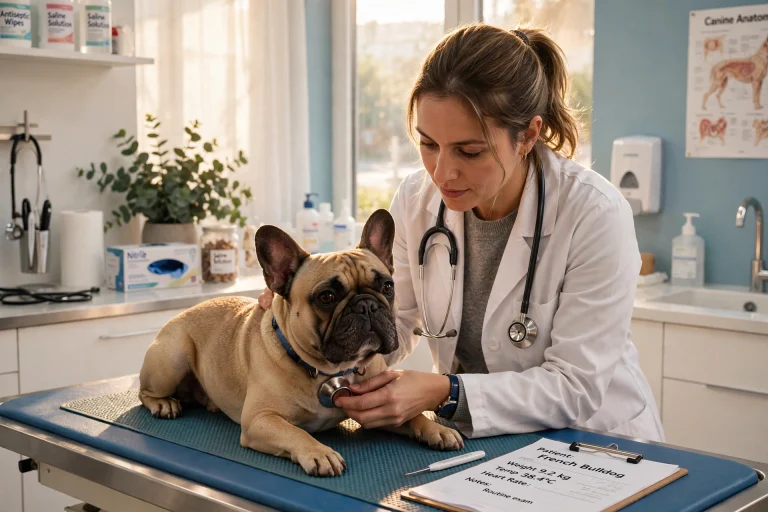
Medication: A Vet Decision
Two drugs are FDA-approved in the US for canine separation anxiety: fluoxetine (Reconcile, an SSRI) and clomipramine (Clomicalm, a tricyclic antidepressant). They take weeks to reach therapeutic effect: clomipramine around four to six weeks, with up to two months to assess benefit, and fluoxetine on a similar slow timeline. They are not quick fixes, and they are not the treatment on their own. VCA’s position is that most dogs do best on one of these over several months, but it is the retraining program that is needed, with medication reducing the underlying anxiety so the dog can learn. The ASPCA frames it as a combination: most dogs need medication plus behavior modification. What medication is not: tranquilizers or sedatives alone, which VCA says do not reduce a dog’s anxiety. Pheromone diffusers can be a useful adjunct for diminishing anxiety, per VCA and the Nebraska Humane Society, but they are a supporting player.
The rule here is absolute. The decision belongs to your veterinarian, who rules out medical causes first. This article names what exists; it does not suggest a drug, a dose, or an “ask your vet for X.” Never borrow another pet’s medication, and never adjust anything on a blog’s say-so.
Frequently Asked Questions
How long does treatment take?
There are no standard timelines, and that is the ASPCA’s phrasing, not evasion. Expect weeks of consistent daily work for mild cases, and months with professional guidance for moderate to severe ones. Progress is measured in the dog’s behavior on camera, not the calendar.
Can I crate my French Bulldog with separation anxiety?
Only if the crate is already a safe, relaxed place for your dog. Heavy panting, drooling, frantic escape attempts, or nonstop howling in the crate mean it is making things worse. Use a dog-proofed room with a baby gate instead, and test on video outside the crate first.
Will getting a second dog help?
Almost certainly not. The anxiety is attachment to a person, and VCA notes a second pet rarely helps a genuinely anxious dog. Treat the first dog’s panic with a real protocol instead.
My Frenchie follows me everywhere. Is that separation anxiety?
No. Shadowing you room to room is attachment, and in a breed selected for companionship it is normal. Separation anxiety is panic in your absence. The dedicated guide on why Frenchies follow you everywhere will cover the velcro side in full.
Should I punish the destruction?
Never. Punishing a panicking dog increases anxiety and makes future departures worse. Clean up without drama, stay boring on arrival, and put the energy into the desensitization plan instead.
A Calmer Dog Is Built in Seconds, Not Leaps
Living with french bulldog separation anxiety is exhausting in a particular way. The guilt follows you out the door every morning and meets you at it every evening. But panic is learned behavior running on a loop, and loops can be rewired, a few calm seconds at a time, with management covering the gap and a professional guiding the hard cases. Start tonight by setting up the camera. Film ten quiet minutes of your dog alone. That small, unglamorous video is the first real data you have ever had on this problem, and everything, the vet visit, the training plan, the peace of mind, gets easier once you can see what is actually happening.