Halloween Dog Safety Guide (2026): Candy, Costumes & the Doorbell
TL;DR
- This Halloween dog safety guide covers the candy bowl, costumes, decorations, and the doorbell plan, plus the first-10-minutes ladder if your dog eats candy.
- Halloween week is the busiest week of the year at pet poison control. Total call volume rises about 12 percent, and chocolate calls jump 209 percent over a typical week. Dogs make up about 95 to 98 percent of chocolate calls.
- Darker chocolate is far more dangerous. Pet Poison Helpline notes that a 50-pound dog can be sickened by one ounce of baker’s chocolate. A Frenchie at 16 to 28 pounds is roughly half that weight, so the danger zone scales down with the dog.
- Xylitol, also labeled birch sugar, can crash a dog’s blood sugar in small amounts. Check sugar-free gum, mints, and even canned pumpkin pie filling before they reach your dog.
- For a Frenchie, a costume must pass a stricter breathing test than for most breeds. A loose bandana is the default. Anything snug around the neck or muzzle stays in the drawer.
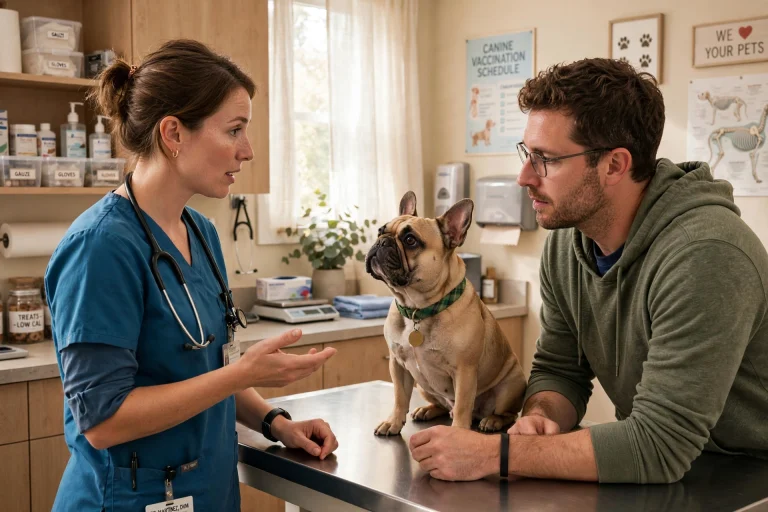
- If your dog eats candy, gather the packaging and call ASPCA Animal Poison Control at 888-426-4435. Never try to induce vomiting at home unless a professional tells you to.
One Night, One Bowl, One Very Determined Frenchie
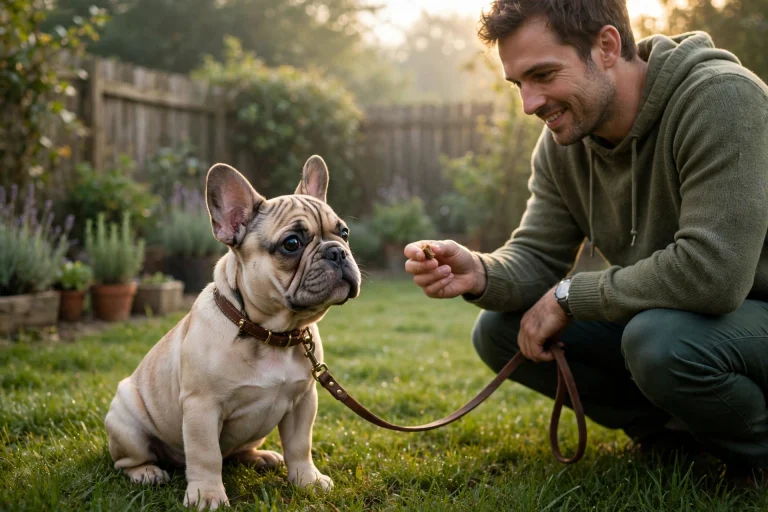
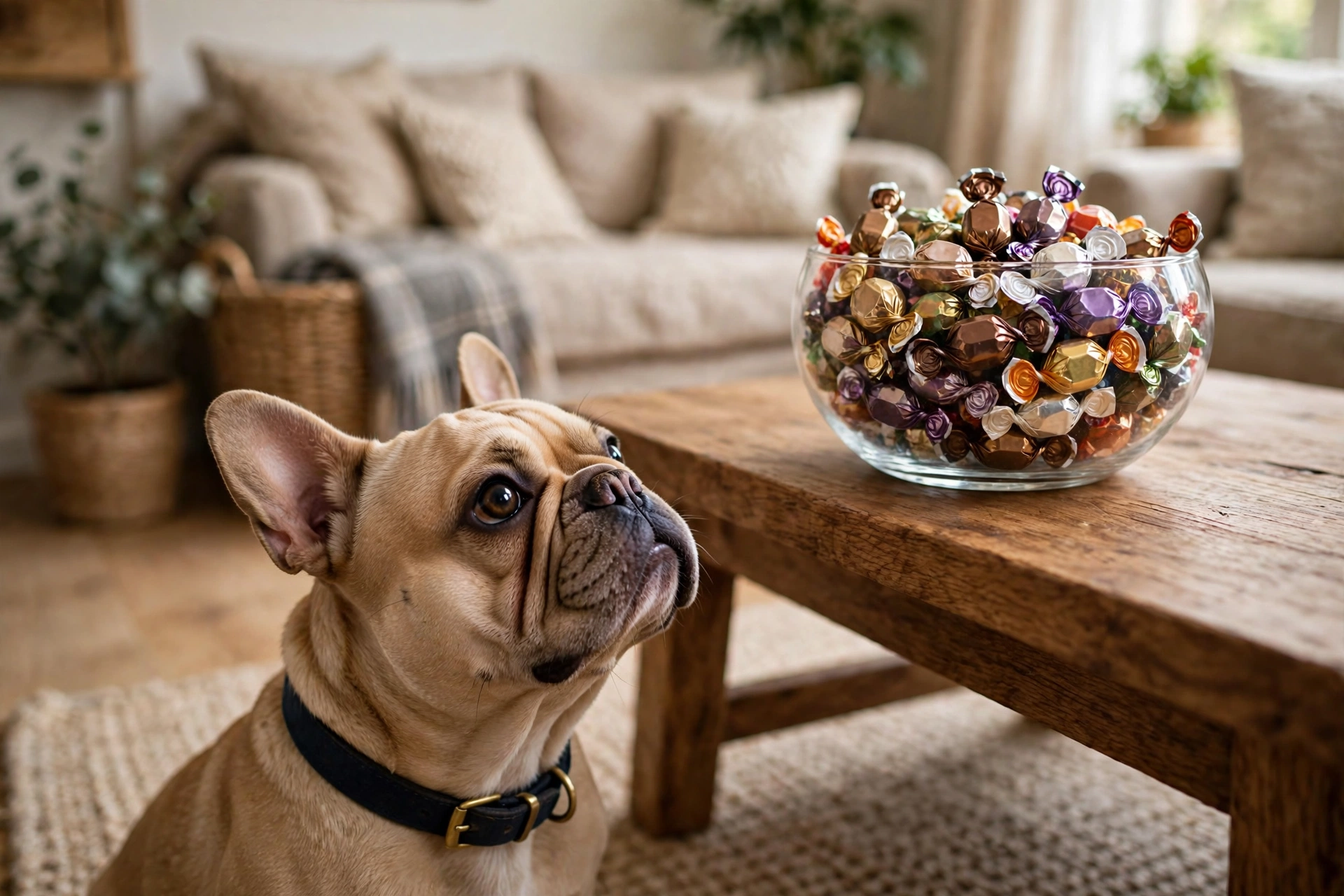
On Halloween night, the most dangerous object in your house is the candy bowl on the coffee table, sitting exactly at French Bulldog nose height. The doorbell rings, the front door swings open, wrappers drift to the floor, and a food-driven dog with a flat face and no sense of portion control is working the room. This Halloween dog safety guide covers what actually endangers dogs on October 31, and what to do in the first ten minutes if the bowl wins.
Frenchies make the night harder in specific ways. They are low to the ground, so bowls, bags, and dropped candy are all within reach. They are brachycephalic, so anything that presses on the airway or traps heat is a bigger deal than it would be for a longer-nosed dog. And they are stubborn about food in a way that no amount of “leave it” fully solves when the house is full of strangers in masks. The plan below is built around those three facts.
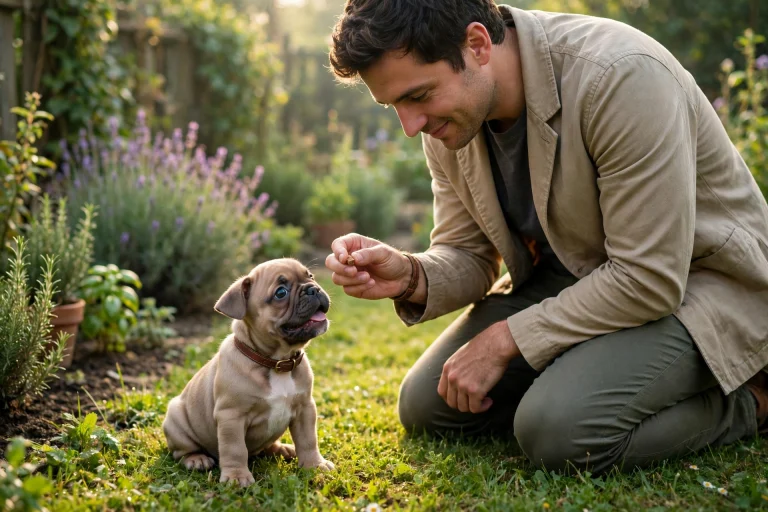
Quick tip: Move the candy bowl above waist height before the first trick-or-treater arrives, and keep the bag it came from in a closed cupboard, not on the counter.
Chocolate, and Why Halloween Dog Safety Starts Here
Chocolate is Pet Poison Helpline’s number one poisoning call, year after year, and dogs account for about 95 percent of those calls. During Halloween week last year, the center reports, calls about dogs that ate chocolate rose 209 percent over a typical week. Total call volume climbs about 12 percent in the same window, and most of those extra calls involve dogs that ate chocolate. Over the past year, more than 1,100 of the helpline’s calls involved chocolate exposure, and 98 percent of them were dogs.
One honest nuance first. Halloween is not the busiest chocolate holiday of the year. Pet Poison Helpline says Christmas holds that title. Halloween’s danger is different: candy sits in bowls and trick-or-treat bags for days, giving a dog repeated chances to find it. The helpline calls the stretch from Halloween through Easter “chocolate season,” and October 31 is the night the season opens.
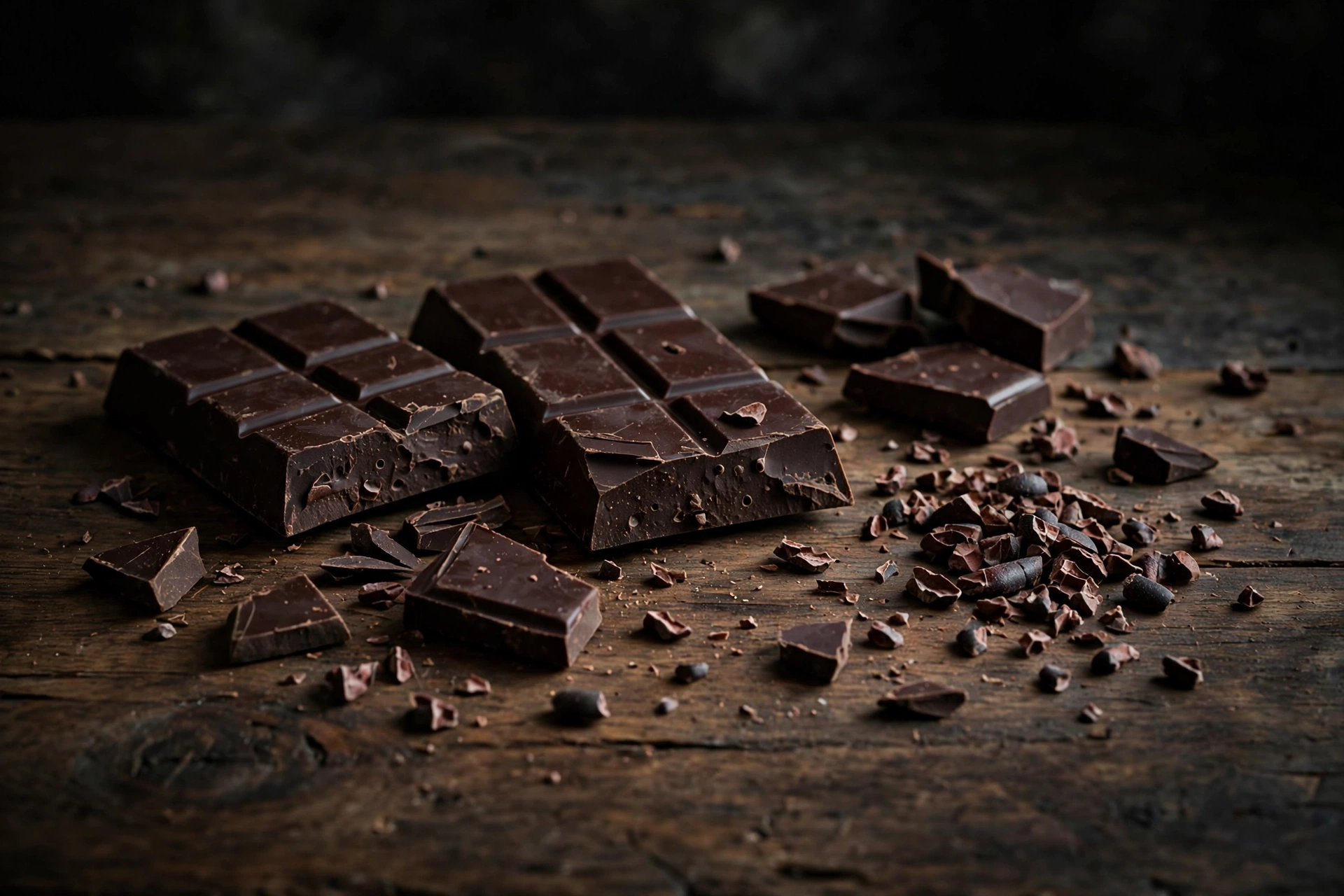
The toxic chemicals are methylxanthines, related to caffeine, and they concentrate in darker varieties. From most to least concerning, the order runs baking chocolate and cocoa powder, then semi-sweet, then dark, then milk, then white. White chocolate carries very little theobromine, but its fat can still upset the stomach, so it is not a free pass.
The dose anchor from Pet Poison Helpline is concrete. A 50-pound dog can be sickened by one ounce of baker’s chocolate, while it may take up to eight ounces of milk chocolate to cause poisoning in that same dog. Scale that down to a Frenchie at 16 to 28 pounds, roughly half the weight, and the dangerous amount roughly halves too. That is arithmetic on the helpline’s numbers, not a separately measured Frenchie dose, and it is the reason a single baking square matters more than a fun-size bar. There is no safe number of fun-size bars. Risk depends on the chocolate type, the amount, and the dog’s weight, and Pet Poison Helpline is explicit that no single safe count exists.
Watch for vomiting, diarrhea, increased thirst and urination, restlessness, a rapid heart rate, tremors, and seizures in severe cases. Signs may not appear for several hours, and high-fat chocolate can trigger pancreatitis even when theobromine levels are low. A dog who seems fine an hour after eating chocolate is not evidence of safety. Pet Poison Helpline’s Halloween page lays out the same symptom list and the darker-is-worse order.
Xylitol: The Sugar-Free Sweetener That Drops Blood Sugar
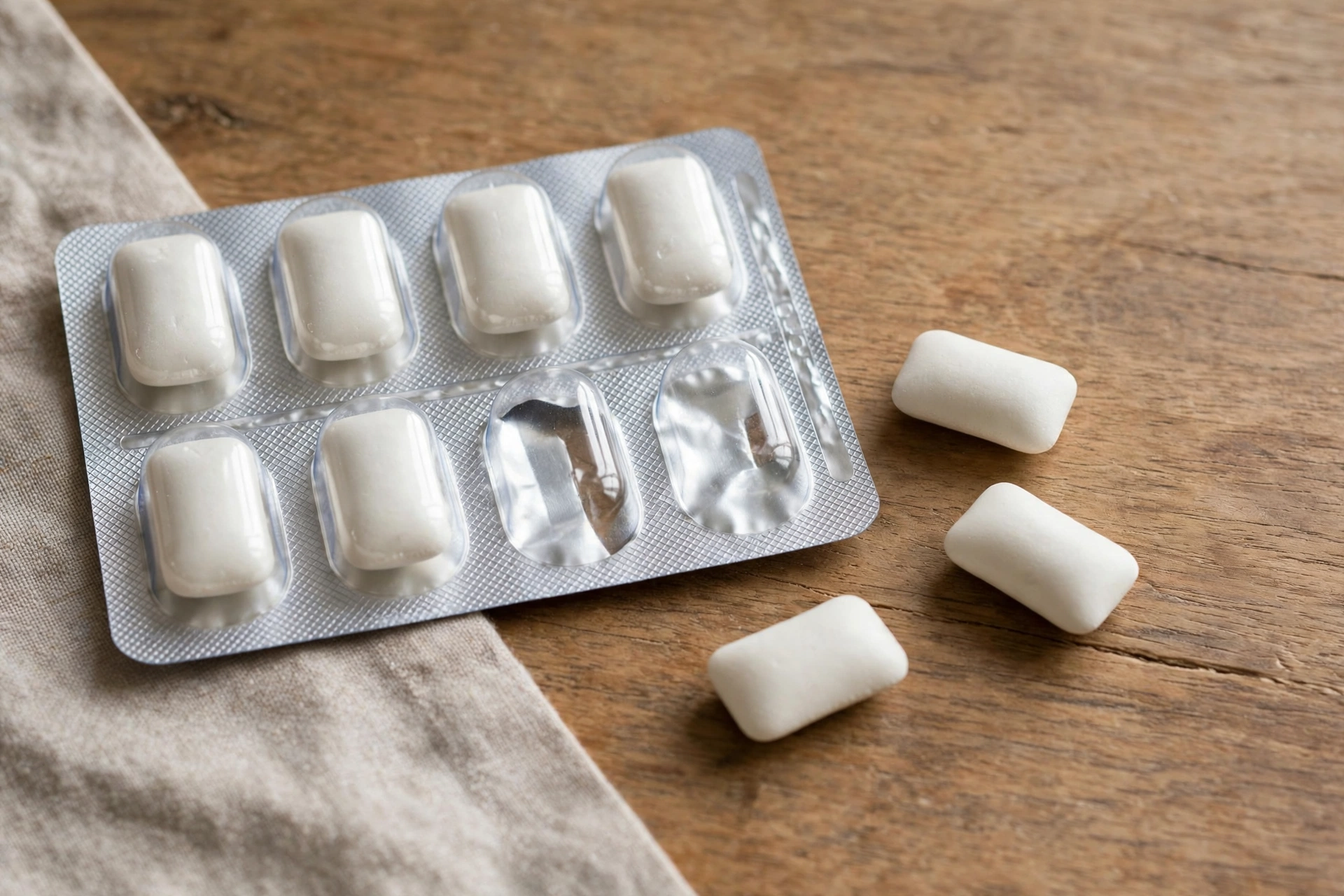
Xylitol is the second candy-bowl threat, and it works differently from chocolate. In dogs, xylitol triggers a large insulin release that crashes blood sugar, and larger amounts can damage the liver. The ASPCA warns that even small amounts can cause a sudden drop in blood sugar, leading to lack of coordination, seizures, and depression. Symptoms can begin fast: vomiting, weakness, wobbling, collapse, and seizures, sometimes within minutes. A few pieces of gum can be enough to poison even a large dog.
The trap is the label. Xylitol also appears as “birch sugar,” and it hides in anything marked sugar-free, low sugar, or reduced calorie. That includes sugar-free gum and mints, the peanut butter some owners use for pills and lick mats, and even canned pumpkin pie filling. The ASPCA’s chief veterinarian notes the pie filling risk specifically: buy plain canned pumpkin only, never the spiced filling.
Quick tip: Read the ingredient label before the treat reaches your dog, not after. If the label says xylitol or birch sugar, the treat goes back in the cupboard.
Raisins, Wrappers, and the Pancreatitis Delay
Pet Poison Helpline names four most common food-related Halloween hazards: chocolate, candy overindulgence, raisins, and candy wrappers. Chocolate gets the attention, but the other three send dogs to the vet too.
Raisins, including chocolate-covered ones, carry a high risk of kidney failure. Macadamia nuts also appear on the toxic candy-bowl list. Candy overindulgence is its own problem: a large ingestion of sugary, high-fat candy can cause pancreatitis, a painful and potentially fatal inflammation of the pancreas. The delay is what catches owners out. Pancreatitis may not show up for two to four days, with symptoms of decreased appetite, vomiting, diarrhea, lethargy, and abdominal pain. A dog who raided the bowl on Friday can look fine all weekend and get sick on Tuesday.
Wrappers are a quieter surgical risk. The AKC warns that candy wrappers can lodge in a dog’s throat or digestive tract and may need surgery to remove. Foil and cellophane can cause intestinal blockage. Pick up dropped wrappers during the night, not the next morning, and keep bowls up high.
| Hazard | What it can do | First move |
|---|---|---|
| Raisins, including chocolate-covered | Kidney failure | Call poison control, do not wait for symptoms |
| Large candy ingestion | Pancreatitis, 2 to 4 days later | Note what and how much, call for advice |
| Macadamia nuts | Toxicity, weakness and vomiting | Keep the packaging, call poison control |
| Foil and cellophane wrappers | Intestinal blockage, possible surgery | Check whether wrappers are missing, tell the vet |
Costumes and French Bulldogs: The Breathing Test
The ASPCA’s costume rule is simple. A costume must not limit movement, hearing, sight, or the ability to breathe, bark, eat, drink, or eliminate. Check for choking hazards, and consider a festive bandana as the smart alternative to a head-to-paw outfit. The AVMA adds that a costume must fit properly, feel comfortable, have no easily chewed-off pieces, and must never block sight, hearing, breathing, mouth, or movement. Trial the costume before Halloween, never leave a costumed pet unsupervised, and if the pet seems distressed, skip the outfit.
For a Frenchie, “must not limit breathing” is a stricter test than for most breeds. Anything snug around the neck, muzzle, or chest can press on an airway that is already compromised. Our BOAS guide explains how brachycephalic airway syndrome narrows every breath a Frenchie takes, and a tight costume works against that same airway. Costumes also trap heat, and brachycephalic dogs overheat fast, as our heat stroke guide sets out. A Frenchie in a full-body costume on a warm October evening is dealing with two problems at once: restricted air and trapped heat.
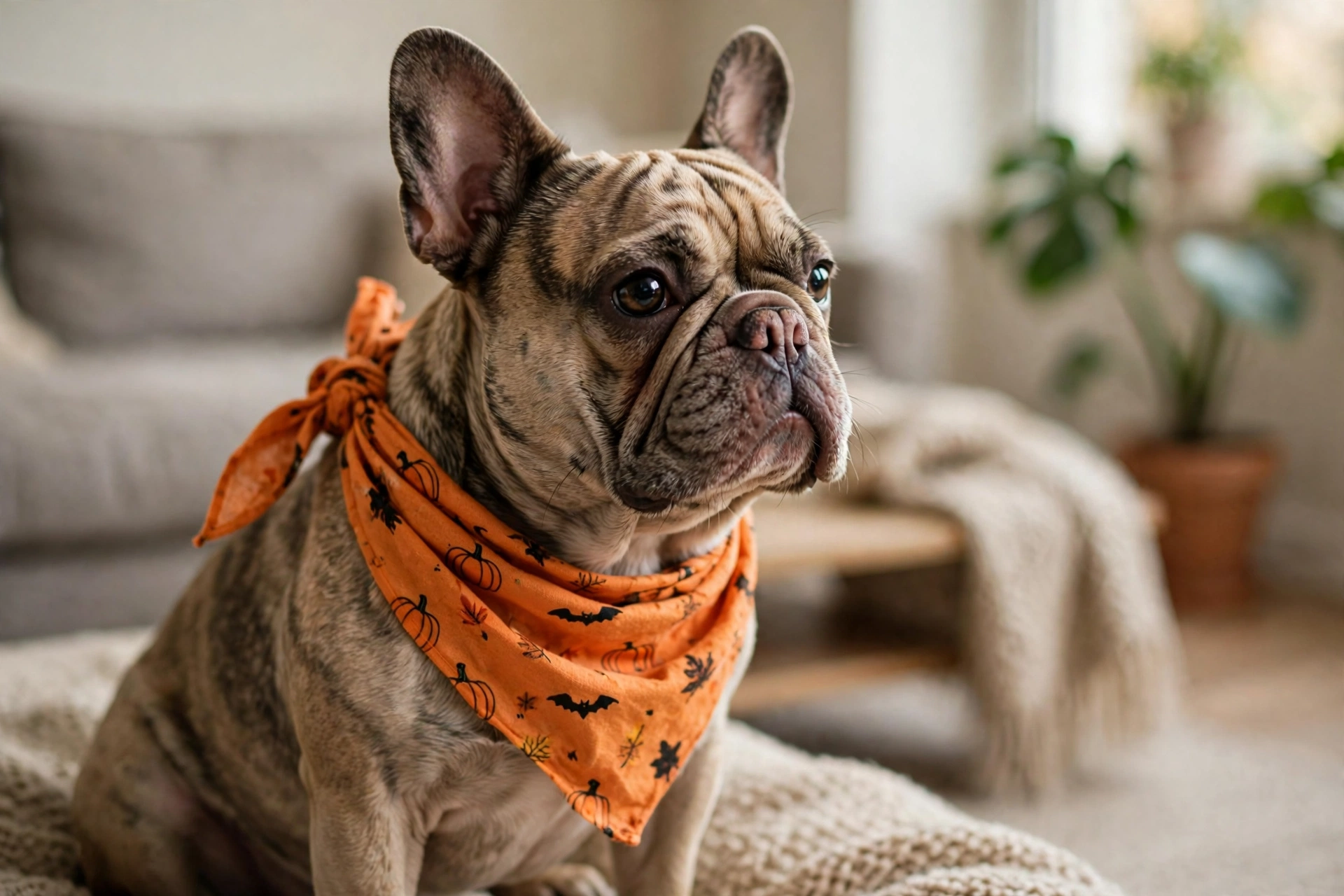
The practical default is a loose Halloween bandana. It photographs well, it does not touch the airway, and it comes off in one pull if the dog gets warm or stressed. A full costume is the exception, and it earns its place by passing the breathing test: the dog breathes easily, moves freely, and shows no pawing at the neck or muzzle after ten minutes of wearing it indoors.
| Do | Don’t |
|---|---|
| Choose a loose bandana as the default | Put anything snug around the neck, muzzle, or chest |
| Trial the costume indoors before October 31 | Leave a costumed dog unsupervised, even briefly |
| Remove the costume at the first sign of distress | Keep a costume on a dog who is panting hard or pawing at it |
| Check for buttons, strings, and chewable pieces | Dress a dog who is already anxious about visitors |
One more costume warning, this time about yours. Masks and capes on humans can make even calm dogs act defensively or bolt. That is one more reason the dog spends the trick-or-treat window in the back room, not greeting visitors at the door.
Glow Sticks, Candles, and the Rest of the Decorations
Glow sticks look alarming when a dog chews one, and the scene is worse than the danger. The liquid inside, dibutyl phthalate, tastes extremely bitter, and puncturing a stick causes profuse drooling, foaming at the mouth, mouth pain, and real distress. Most glow-stick calls involve cats, but dogs chew them too. Do not call glow sticks safe. The distress is genuine, and if your dog will not stop drooling or seems in pain, call your vet.
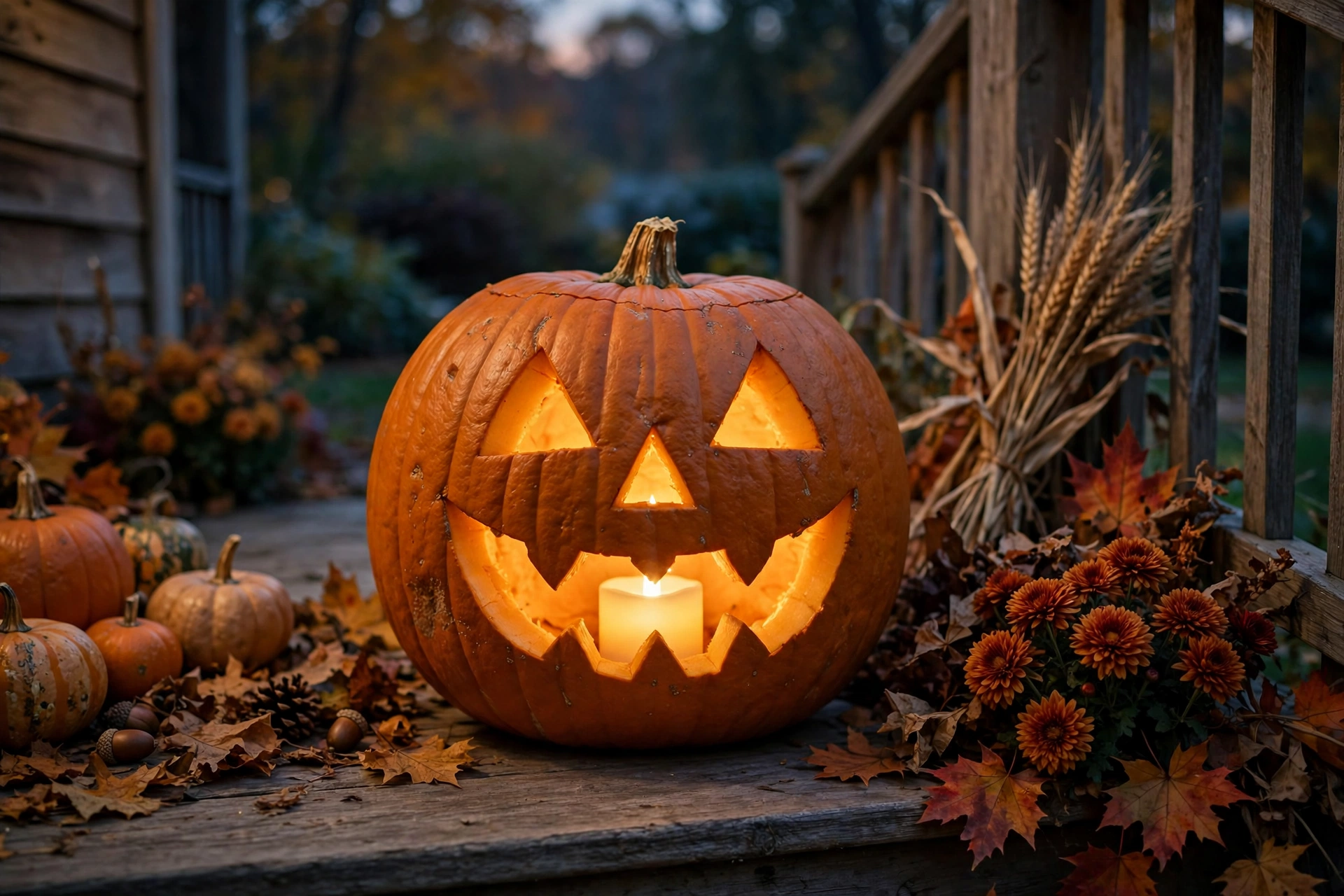
Candles are a fire risk more than a poisoning risk. A wagging tail or a curious nose can knock a lit candle over, and a jack-o’-lantern with a real flame sits at exactly the height a Frenchie investigates. Battery-operated flameless candles give the same glow with no flame to knock over, and the ASPCA, AVMA, and AKC all recommend them.
The rest of the decorations carry chewing risks. Decorative corn and pumpkins can cause intestinal blockages if chewed. A carved pumpkin left on the porch rots, and mold on decaying pumpkins can develop dangerous mold toxins, so keep dogs from gnawing old jack-o’-lanterns. Electrical cords, fake cobwebs, batteries, small plastic toys, and costume accessories are choking and blockage hazards if swallowed.
Checklist: decoration sweep before dark
- Swap every lit candle for a flameless one
- Move decorative corn and pumpkins out of chewing reach
- Throw out last week’s carved pumpkin instead of leaving it on the porch
- Tape down cords and pick up fake cobwebs at dog height
- Collect glow sticks and small accessories before the doorbell starts
The Doorbell Gauntlet: Give Your Frenchie a Back Room
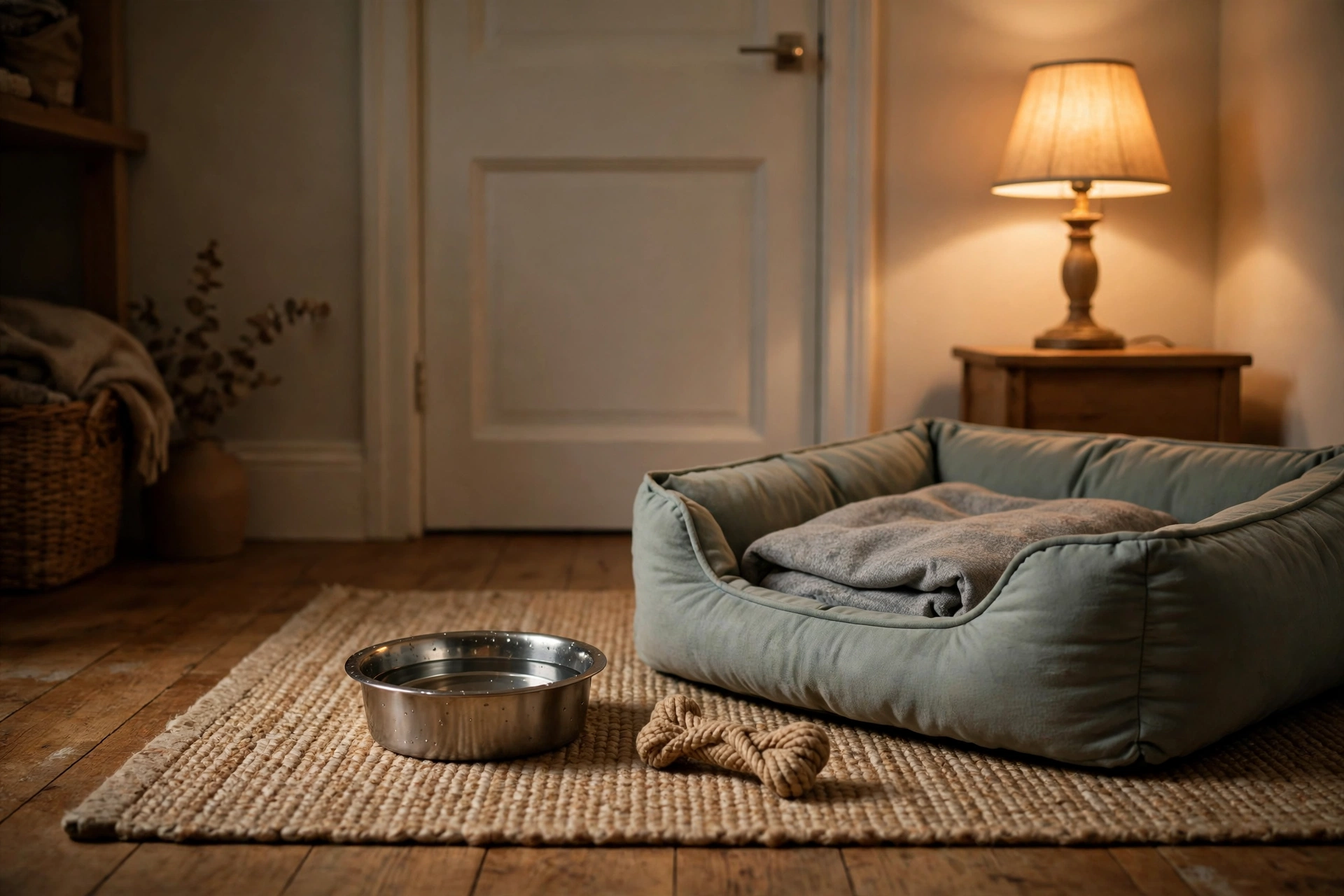
The trick-or-treat window is a gauntlet of repeated doorbell rings, an opening front door, and strangers in masks. The plan that works is boring on purpose: put the dog in a quiet room away from the front door, with bedding, water, a chew, and soft white noise, and keep the doors and windows secure through the evening. The room should feel like a normal evening, not a punishment. A familiar bed, a long-lasting chew, and the low hum of a fan or white noise machine do more than a closed door alone.
The escape risk is seasonal and real. October is the second-highest month for lost-and-found pet reports, per Pet Poison Helpline citing AKC Reunite. Repeated door openings plus masks plus noise add up to bolt risk, even for a dog who normally greets visitors calmly. Check that ID tags are current and microchip registration details are up to date before the night, not after the dog slips out. Our owner’s guide covers microchip and ID basics for Frenchie owners setting this up.
Leave the dog at home for human trick-or-treating too. Crowded sidewalks, costumes, and candy on the ground combine every hazard in this guide into one walk. The back room, the chew, and the bandana photo taken earlier in the day are the better version of the night for your Frenchie.
If Your Dog Ate Candy: The First 10 Minutes
Speed matters more than panic. Work this ladder in order, and keep the packaging.
- Move the dog away from the candy and pick up everything left, including wrappers.
- Gather the evidence. Keep bags, wrappers, ingredient labels, and leftover pieces. The vet or poison center needs to identify the chocolate type and the amount.
- Call with the facts ready: the dog’s weight, age, and health issues, the product name and ingredients, how much is missing, when it happened, and any symptoms so far. Note whether wrappers or sticks are missing too.
- Follow the professional advice. If you are told to come in, bring the packaging with you.
Save ASPCA Animal Poison Control in your phone before the doorbell starts: 888-426-4435, available around the clock. A consultation fee may apply. Time matters, and hunting for a number while your dog is vomiting wastes it.
Two things not to do. Do not induce vomiting at home with hydrogen peroxide, salt, milk, oil, or activated charcoal unless a vet or poison-control professional instructs it. The Merck Veterinary Manual specifically advises against inducing vomiting at home after xylitol, because signs can start fast, and activated charcoal does not bind xylitol. And do not wait for symptoms to decide. Chocolate signs can take 6 to 12 hours to appear, and pancreatitis can take 2 to 4 days. A dog who seems fine is not evidence of safety. If you are unsure whether the amount matters, that uncertainty is itself the reason to call. Our health problems hub links the breed’s other poisoning and digestive risks for owners who want the wider picture.
Checklist: what to have ready for the call
- Dog’s weight, age, and any health issues
- Product name and ingredient label
- How much is missing, and when it happened
- Any symptoms so far, and whether wrappers are missing
Safe Swaps So Your Frenchie Isn’t Left Out
A Frenchie does not need candy to have a Halloween. Plain canned pumpkin, not pie filling, works as a treat base, and the distinction matters because pie filling may contain xylitol, sugar, and spices. Dog-safe store treats, a new chew for the back room, and the bandana photo session earlier in the day cover the celebration without the candy bowl. If you bake, keep the treats plain and the batch out of reach while it cools, since a cooling tray at counter edge is still reachable when a chair gets pushed under it.
Quick tip: Stuff a rubber toy with plain canned pumpkin and freeze it the night before. It keeps a back-room Frenchie busy through the whole trick-or-treat window.
A Quiet Night Is a Good Night
Halloween dog safety comes down to a short list, and none of it is dramatic. The bowl goes up high. The costume is a bandana, or nothing at all. The dog spends the doorbell hours in a back room with a chew, and the poison control number is already in your phone. Do those four things and the night is mostly doorbell noise and a dog asleep on a familiar bed, which is exactly how it should end. Save this guide for October 31, share it with the Frenchie owner in your life who still thinks one fun-size bar cannot hurt, and enjoy the quiet side of Halloween with your dog.