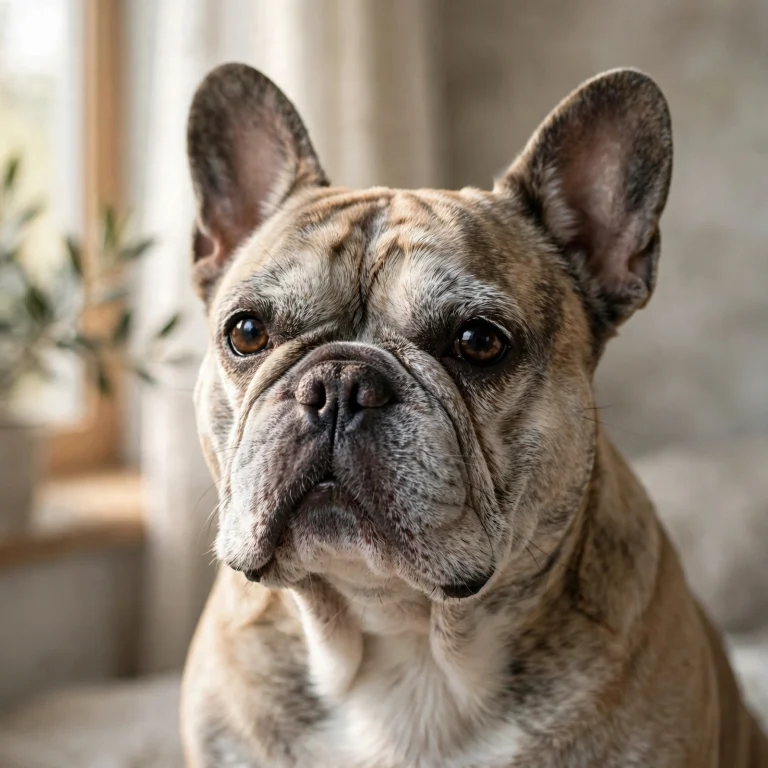
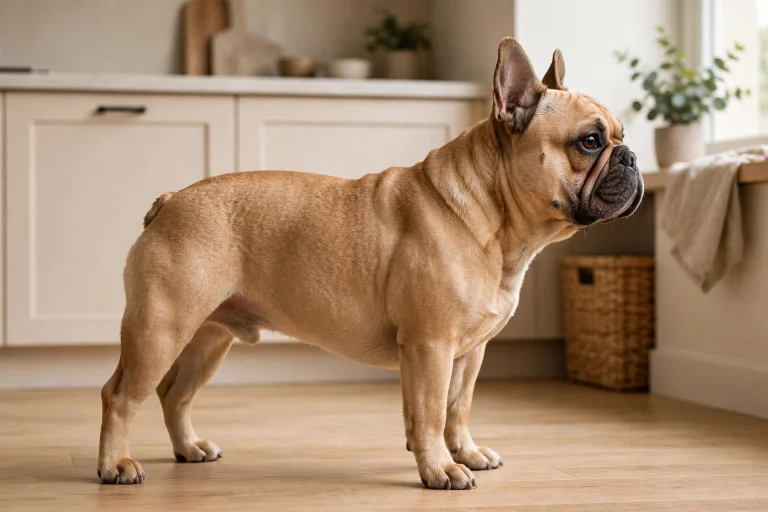
French Bulldog Ear Infections: Signs, Cleaning & Treatment
TL;DR
French bulldog ear infection is one of the most common health complaints in the breed. Narrow ear canals plus a strong allergy tendency make Frenchies far more prone than most dogs. The classic signs are head shaking, scratching, a yeasty or foul odor, and discharge. Most infections need vet-prescribed drops matched to the cause (yeast versus bacteria), and recurring infections usually mean an underlying allergy needs addressing. Cleaning every one to two weeks with a vet-approved solution prevents most flare-ups.
You’ll Smell It Before You See It
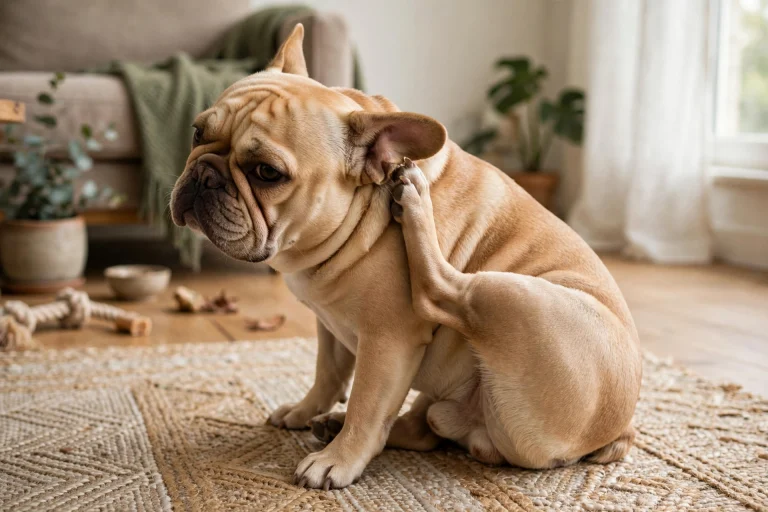
That sweet, musty, corn-chip smell wafting off your Frenchie’s head is not normal dog funk. It is usually the first sign of an ear infection, and French Bulldogs get them more than almost any other breed. The head shaking starts next, then the scratching, then the 2 a.m. thumping of a paw against the ear flap while you try to sleep.
I am not writing this to gross you out. Ear infections are painful, they rarely clear up on their own, and the same ones keep coming back when the real cause goes untreated. This guide covers what each symptom means, how to clean ears properly at home, what the vet actually does, and the weekly routine that prevents most infections.
French Bulldog Ear Infection: Why This Breed Gets So Many
It is not bad luck. French Bulldogs are built for ear trouble in three specific ways.
First, the ear canals are narrow. The compressed skull that gives the Frenchie its flat face also squeezes the ear canal into a tighter, more horizontal tube than most breeds have. Wax and debris cannot migrate out on their own, so the canal stays warm, damp, and airless. Yeast and bacteria love exactly that. In the UK’s VetCompass study of the breed, French Bulldogs had over 14 times the odds of ear discharge compared with other dogs.
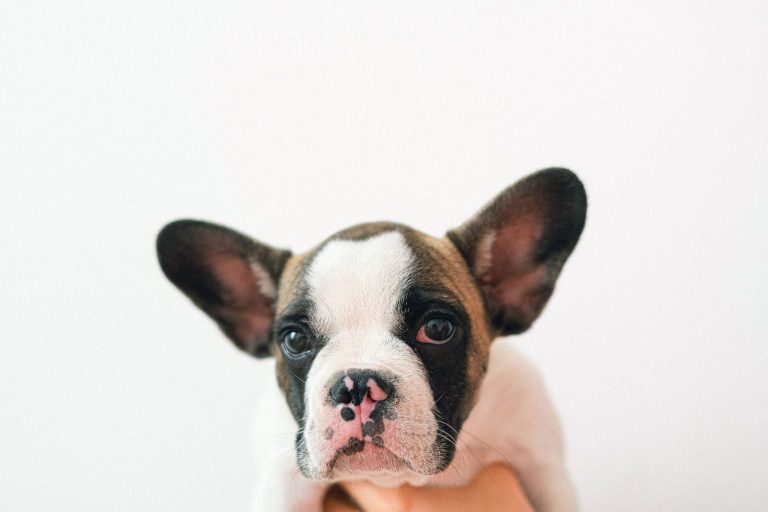
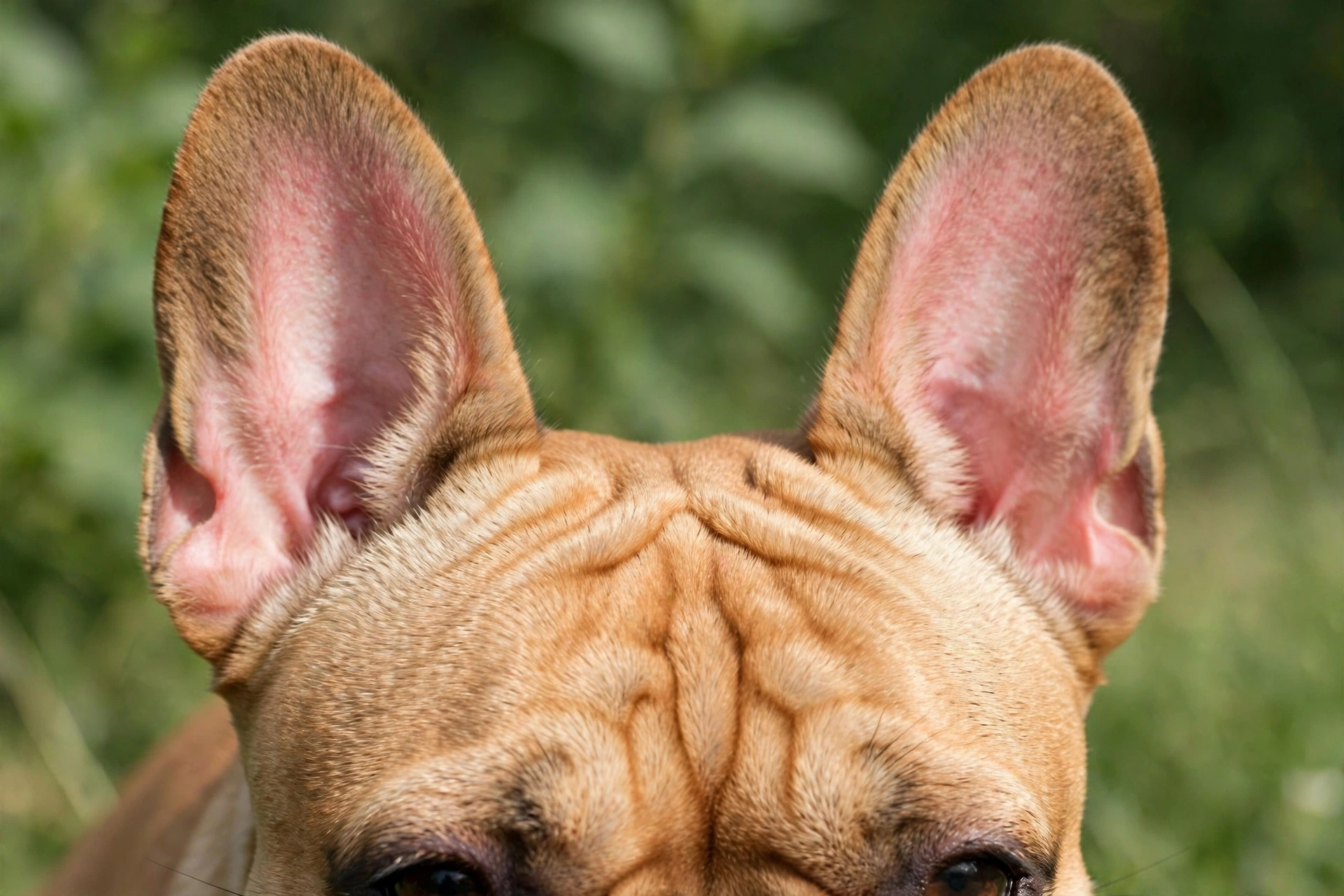
Second, the bat ears act like funnels. Those big upright ears scoop up dust, dirt, grass bits, and pollen on every walk and drop them straight toward the canal opening. You will notice it after walks on dry, dusty days: a fine gritty film inside the flap that was not there that morning. A quick wipe of the visible flap after dusty walks keeps that debris from migrating deeper.
Third, and most important for recurring cases, Frenchies are an allergy-prone breed. Allergies inflame the skin inside the ear canal, and that inflammation is what lets normal yeast and bacteria overgrow into an infection. VCA Animal Hospitals reports that allergies are involved in as many as 43% of ear infection cases, and that ear infections occur in 65% to 80% of dogs with food allergies. If your Frenchie’s ears keep getting infected, the ears are usually not the real problem. The allergy is.
Puppies are not exempt. The narrow canals are present from birth, and young Frenchies explore the world nose-first through dust, grass, and mulch. Ear mites also hit young dogs hardest. If your puppy is already shaking its head at four months old, do not file it under puppy clumsiness. Get the ears checked.
Ear infections sit alongside breathing trouble as one of this breed’s signature health predispositions. Our BOAS guide covers the other big one, and the same rule applies to both: treat the underlying cause, not just the symptom.
Quick tip: If your Frenchie gets more than two or three ear infections in a lifetime, stop treating it as bad luck and start treating it as an allergy workup waiting to happen. Ask your vet about it directly.
Signs: What Each Symptom Tells You
Every infected ear looks a little different, and the details point toward the cause. Only the vet’s microscope test (cytology) gives a definitive answer, but knowing what you are seeing helps you describe it accurately.
| What you notice | What it often suggests |
|---|---|
| Head shaking, ear scratching | Irritation or itch, the universal early sign |
| Sweet, musty, corn-chip smell | Yeast overgrowth, the most common culprit |
| Sharp, foul, rotten odor | Bacterial infection, often more painful |
| Brown, waxy discharge | Often yeast, but can also be plain wax buildup |
| Yellow or green discharge | Often bacterial, usually needs prompt treatment |
| Dark, coffee-ground-like debris | Ear mites are possible, especially in young dogs |
| Red, hot inner ear flap | Active inflammation, infection is likely |
| Crying when the ear is touched | Pain, which means do not clean it yourself |
A few things owners get wrong:
- “It’s just wax.” Healthy wax is pale and odorless. Dark, smelly, or abundant debris is not normal wax.
- “Only one ear, so it can’t be allergies.” Allergies can absolutely start in one ear. Asymmetry means nothing diagnostically.
- “He’ll shake it out.” He won’t. Established infections rarely resolve on their own, and waiting lets the infection spread deeper or thicken the canal permanently.
Quick tip: Sniff your Frenchie’s ears once a week. You will learn what healthy smells like (basically nothing), and you will catch the yeasty turn days before the head shaking starts.
Ear Mites vs. Ear Infection: How to Tell the Difference
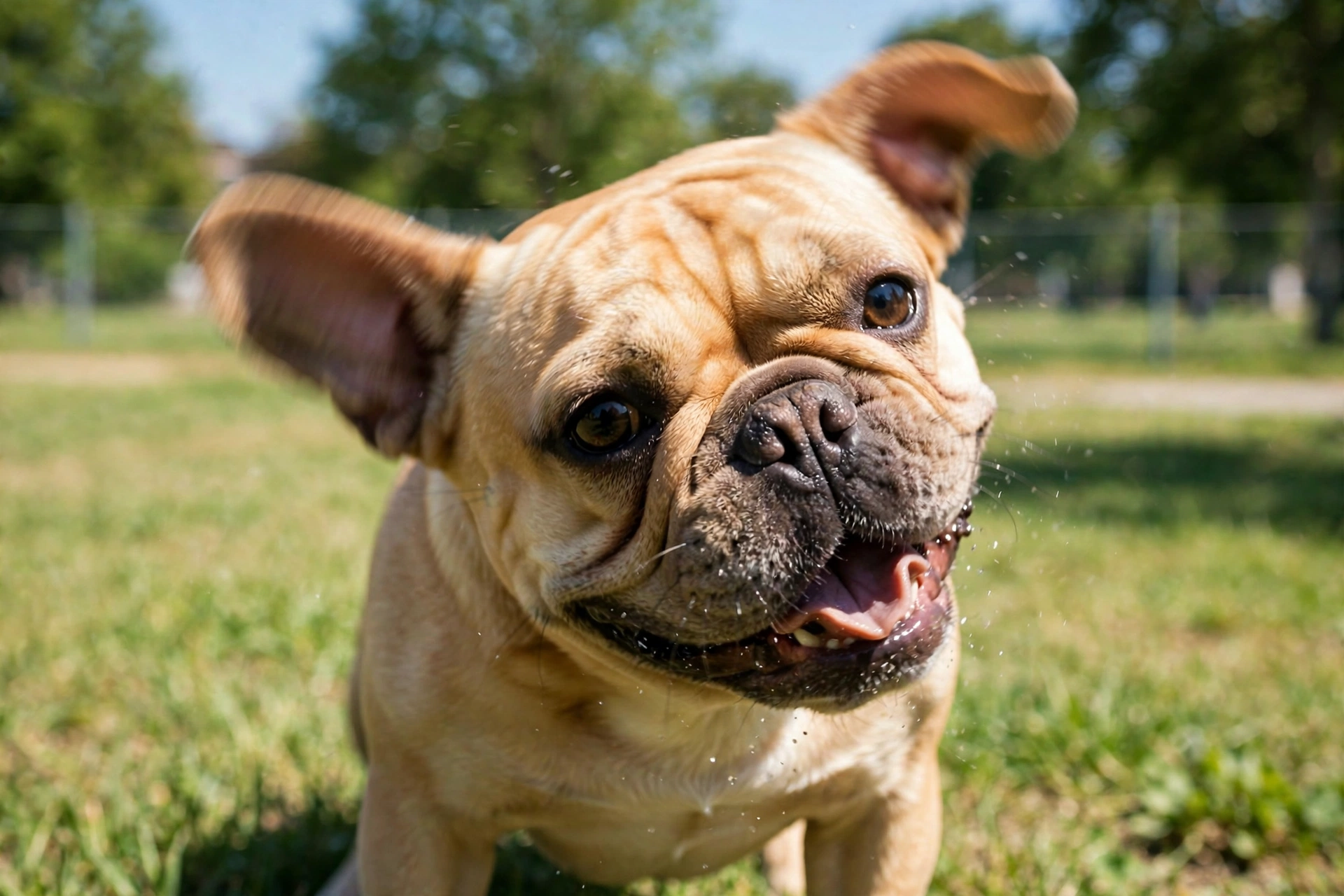
Not every itchy ear is infected. Ear mites, tiny parasites that live in the canal, cause ferocious itching, especially in puppies and young dogs, and they produce dark, crumbly, coffee-ground-like debris. Unlike a yeast or bacterial infection, mites spread between pets, so a multi-pet household often sees more than one animal scratching.
Here is the practical difference. Mite itching tends to be intense and constant, and the debris looks dry and granular. Infections tend to smell, yeasty, foul, or both, and the discharge looks waxy or wet. But the two overlap enough that guessing is a bad idea, and they can occur together. The vet’s microscope swab settles it in minutes, and the treatments are completely different: antiparasitic medication for mites versus antifungal or antibiotic drops for infection. This is another reason the “just buy drops” approach fails.
Quick tip: If you have more than one pet and they are all scratching, think mites first and get everyone checked. Treating one animal while the others reinfest it is a loop.
How to Clean Your Frenchie’s Ears, Step by Step
Cleaning is prevention, not treatment. If the ear is red, swollen, painful, or smelly, skip this section and book the vet. Cleaning an actively infected ear hurts, and it can push debris deeper.
What you need:
- A vet-approved ear cleaning solution, at room temperature
- Cotton balls or gauze squares (never cotton swabs)
- A towel for the shake-off
- Treats
The steps:
- Get your Frenchie sitting calmly. Let them sniff the bottle, then give a treat. You are building a routine, not ambushing them.
- Lift the ear flap gently to expose the canal opening.
- Squeeze enough cleaning solution into the canal to fill it. Do not jam the nozzle tip inside; hold it at the opening.
- Fold the flap down and massage the base of the ear for 20 to 30 seconds. You should hear a soft squelching sound. That is the solution breaking up wax and debris.
- Step back and let your dog shake. Hold the towel up to catch the spray. This is the satisfying part. The shake brings the loosened gunk up from deep in the canal.
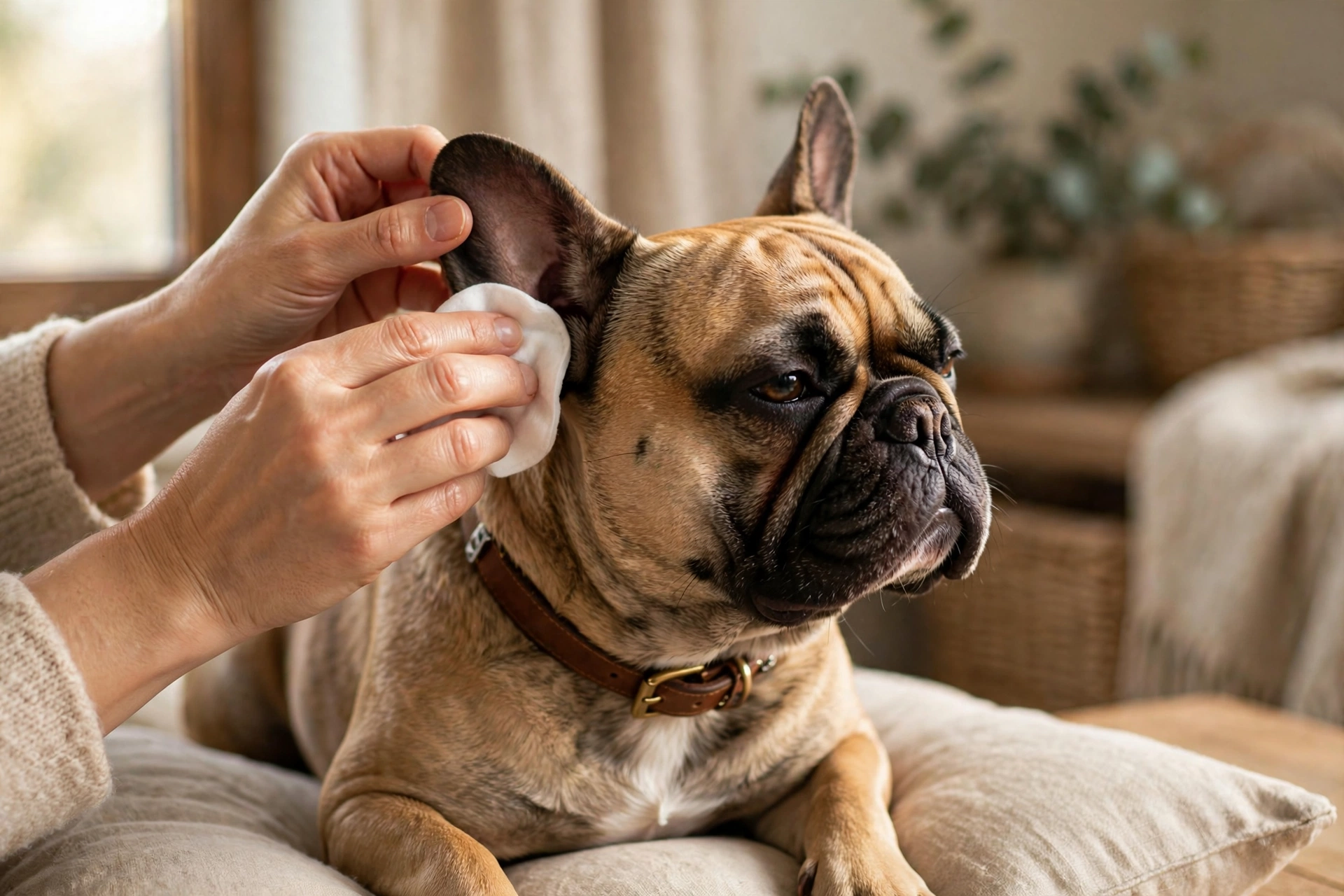
- Wipe away what you can see on the flap and around the opening with a cotton ball or gauze. Use a fresh one every few wipes, and a fresh one for the other ear.
- Treat generously. The whole point is that next time, your Frenchie walks toward you instead of away.
How often? For a Frenchie with no history of problems, every one to two weeks is the standard maintenance rhythm. After swimming or a bath, dry the ears the same day. Trapped moisture is one of the fastest routes to infection. The bath trap deserves its own warning. Most ear infections that owners can trace back to a specific event involve water: a bath, a swim, a romp through the sprinklers. Water left sitting in a warm canal is an incubator. After any water exposure, lift each flap and gently press a dry cotton ball or gauze into the opening to wick out the moisture. Do not probe deep. Just absorb what sits at the entrance. For Frenchies that swim regularly, ask your vet about a drying ear cleaner. These are formulated to help evaporate trapped moisture, and they exist for exactly this job.
The AKC’s ear cleaning guide makes the same point: clean when you notice a change, and learn what a healthy ear looks and smells like so you can tell the difference.
Do this, not that:
– Do use a vet-approved cleaner at room temperature. Do not use alcohol, hydrogen peroxide, tea tree oil, or vinegar mixes from social media. They burn inflamed skin.
– Do wipe only what you can see. Do not push cotton swabs into the canal. They pack debris deeper and can damage the eardrum.
– Do start fresh each session. Do not reuse last infection’s leftover drops on a new flare-up. The cause may be different, and old bottles can be contaminated.
How Vets Treat a French Bulldog Ear Infection
Here is why you should not just buy drops and hope. Bacteria and yeast need different medications, and the vet has to confirm the eardrum is intact first. Some ear medications can cause hearing loss if the eardrum is ruptured. Guessing wrong wastes money and time while the infection digs in deeper.
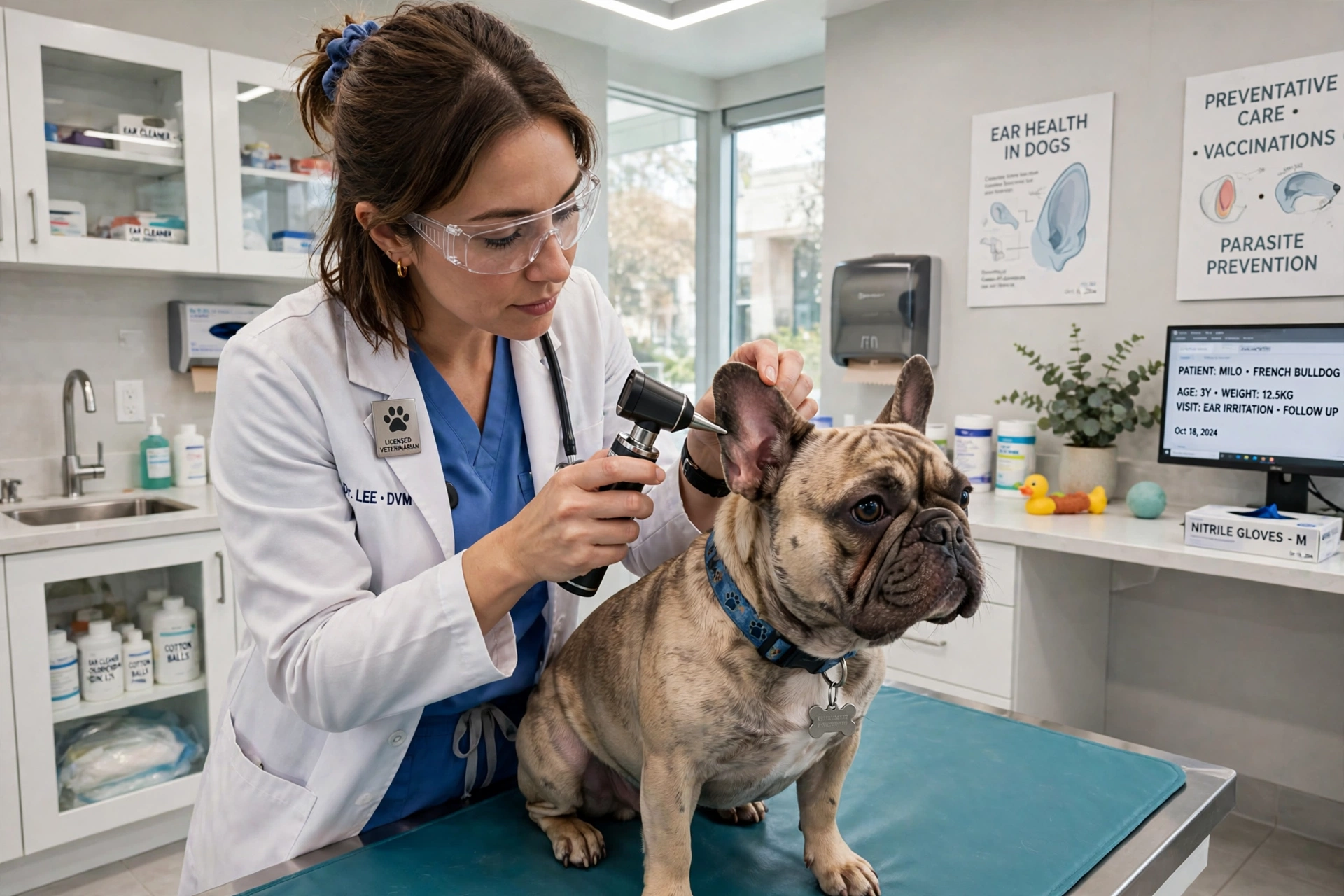
The appointment usually goes like this. The vet examines the canal with an otoscope, looking all the way to the eardrum. Then comes cytology: a swab of the discharge examined under the microscope to identify yeast, bacteria, or mites. Severe or stubborn cases may get a culture to pick the exact drug. Treatment is then matched to the finding: antibiotic drops, antifungal drops, or a combination product with an anti-inflammatory, exactly as VCA describes.
What surprises most owners:
- The recheck matters as much as the first visit. The ear often looks better after a week while the infection is still active underneath. Stopping drops early is the classic reason infections “come back” two weeks later. Go back until the vet confirms the ear is clear.
- Severe cases may need oral medication alongside the drops, especially when the canal is too swollen for drops to penetrate.
- Chronic neglect has a permanent price. Long-untreated infections can thicken and narrow the canal until medication cannot reach inside. End-stage cases sometimes need surgery, removal of part or all of the ear canal, which can mean permanent hearing loss on that side. This is the outcome that early treatment prevents.
- Expect both ears to be treated. Even when only one looks infected, the vet often treats both. The same allergy or moisture event usually affected both canals, and the “good” ear is frequently in the early stages. Treating both prevents the sequel appointment two weeks later.
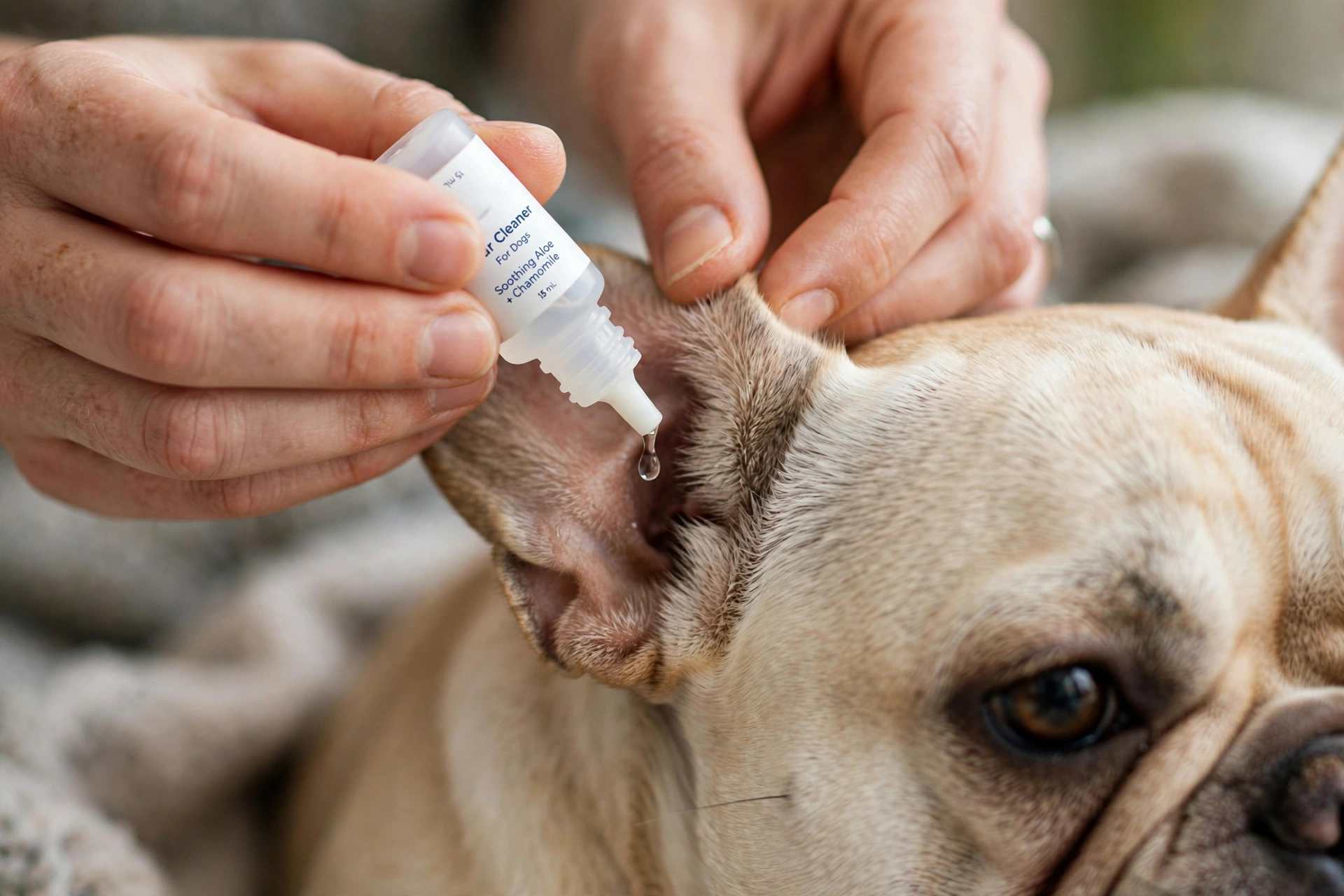
Quick tip: Warm the drop bottle in your hand for a minute before applying. Cold drops in an already sore ear will make your Frenchie dread every future treatment.
Prevention: The Weekly Routine That Stops Most Infections
Nobody enjoys medicating a squirming Frenchie’s ears twice a day for two weeks. The boring weekly routine is what keeps you out of that situation.
The 5-minute weekly check:
- Lift each flap and look: pink and clean is good; redness, swelling, or debris is not.
- Sniff each ear: no smell is good; sweet, musty, or foul means act.
- Feel for heat or swelling on the flap.
- Note any scratching or head shaking since the last check.
The routine around it:
- Clean every one to two weeks with the vet-approved solution, as described above.
- Dry ears thoroughly after baths and swimming. If your Frenchie swims regularly, ask your vet about a drying ear cleaner.
- Manage the allergies behind recurring infections: food trials, environmental controls, or vet-prescribed itch control, depending on what your vet finds. Our French Bulldog allergies guide breaks down food versus environmental signs.
- Keep parasite prevention current. Mites are part of the picture, especially in young dogs.
- Never over-clean. Scrubbing healthy ears every few days strips the canal’s natural defenses and causes the irritation you were trying to prevent.
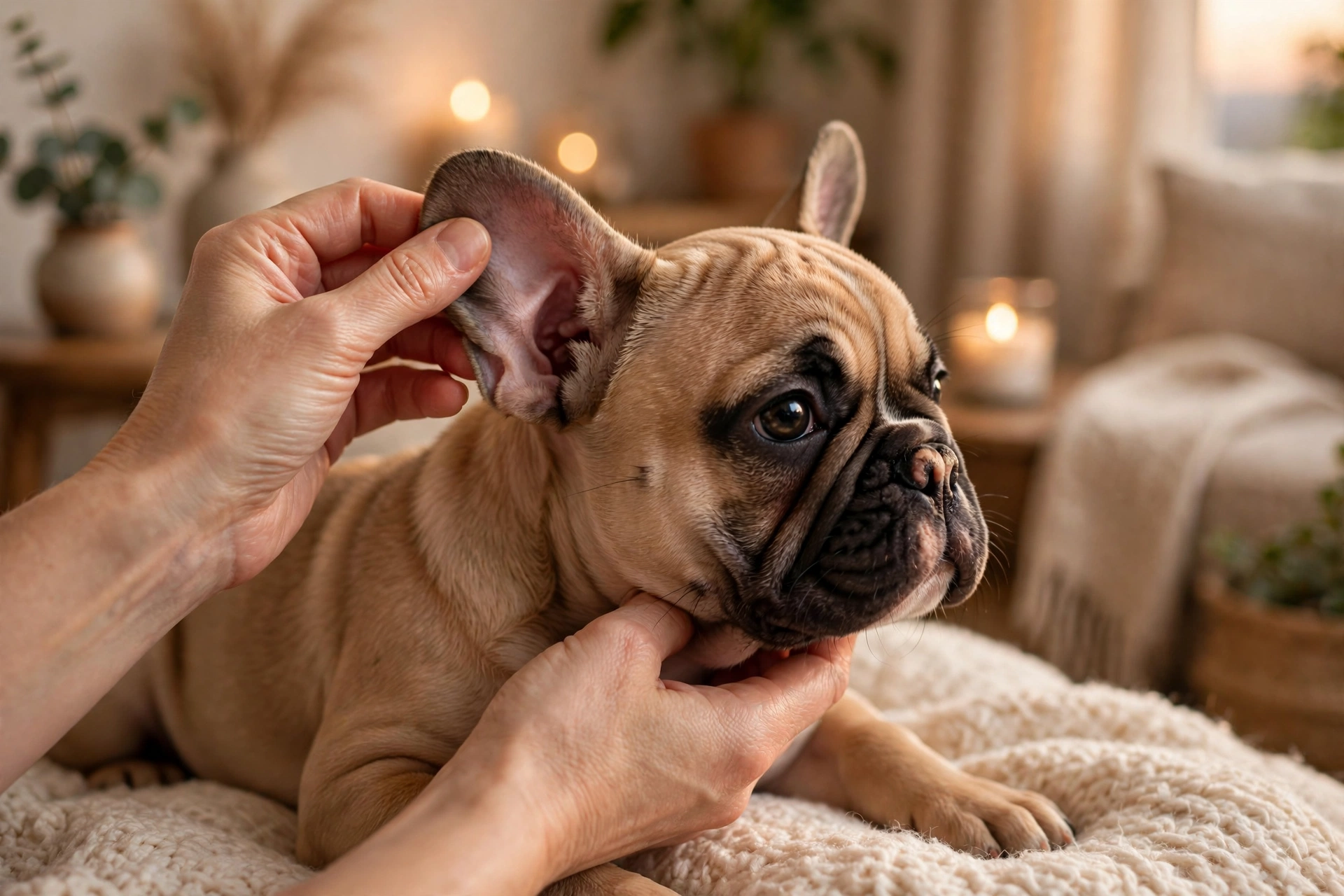
Quick tip: Start the weekly check in puppyhood, paired with treats. A Frenchie that learned ear handling as a puppy will sit still for cleaning as an adult. One that didn’t will need a second person and a lot of patience.
When It’s Urgent: Don’t Wait on These
Most ear infections are “call the vet this week” problems. These are “call the vet today” problems. The difference matters. A middle-ear infection left to spread can affect balance long term, and a hematoma left to scar changes the shape of the ear for good.
- Head tilt, loss of balance, circling, or flickering eyes. This can mean the infection has reached the middle or inner ear. Same-day vet visit.
- A suddenly swollen, puffy ear flap. This is an aural hematoma: blood pooling inside the flap, usually from violent head shaking. It needs a vet within a day or two. Never try to drain it yourself. That invites infection, and it will just refill. Vets drain it with a needle, place drains, or repair it surgically depending on severity. Left alone, it scars into a permanent cauliflower ear.
- Severe pain, bleeding, or a dog that won’t let you near the ear. Pain this intense needs professional handling, possibly under sedation.
- An infection that keeps returning. More than two or three in a lifetime is the threshold for a full allergy and underlying-cause workup, not another round of the same drops.
Checklist, before you call:
– Which ear, and when it started
– What the discharge looks and smells like
– Whether your dog is shaking, scratching, or tilting
– Any recent swimming, baths, or new foods
– What drops or cleaners you have already tried
Frequently Asked Questions
Can I clean my Frenchie’s ears with olive oil or apple cider vinegar? Skip the home remedies. Oils trap moisture and debris, and vinegar burns inflamed skin. A vet-approved ear cleaner costs little and is formulated not to sting. The internet’s favorite DIY mixes are the fastest way to turn a mild irritation into a real infection.
How often should I clean my French Bulldog’s ears? Every one to two weeks for maintenance, plus drying after every swim or bath. More is not better. Over-cleaning irritates the canal and can cause the very infections you are trying to prevent. Let the weekly sniff-and-look check guide you.
Will a French bulldog ear infection go away on its own? Rarely. Once established, most infections need matched medication, and waiting gives the infection time to spread deeper or thicken the canal permanently. Early treatment is quicker, cheaper, and far less painful for your dog.
Are ear infections contagious to other pets or people? The infection itself is not contagious. Ear mites, which sometimes cause the itching that leads to infection, can spread between pets. That is one reason the vet checks for them.
Why does my Frenchie’s ear infection keep coming back? Because the underlying cause has not been addressed. In Frenchies that usually means allergies, environmental or food, inflaming the canal over and over. Recurring infections are a prompt for allergy testing and management, not just another round of drops.
Can I use leftover ear drops from the last infection? No. The cause may be different this time, since yeast and bacteria need different drugs. Old bottles can be contaminated, and the wrong medication delays real treatment. Every flare-up deserves a fresh diagnosis.
Final Word
French bulldog ear infection is one of those problems that rewards routine and punishes neglect. A two-minute weekly check, cleaning every week or two, and drying those bat ears after water time will prevent the large majority of flare-ups. When an infection does break through, prompt vet treatment matched to the actual cause clears it faster and stops the cycle from repeating.
Your Frenchie’s ears are telling you something every week. Learn to listen with your eyes and your nose, and you will catch nearly everything early. Bookmark this guide next to your cleaning supplies, and bring notes on what the discharge looked like and when the shaking started to every vet visit.